Five critical signs your air conditioning system needs immediate Orlando, FL ac repair

orlando ac repairRegular maintenance of your air conditioning system is essential to ensure optimal performance and longevity. However, certain issues demand immediate attention to prevent further damage or costly repairs. Below are five critical signs that indicate your AC system may require urgent servicing.

One of the most noticeable signs of an issue is when your air conditioner struggles to cool your home effectively.
Blocked or dirty air filters
Leaking refrigerant
Damaged ducts or poor insulation

Addressing these issues promptly can restore proper cooling and enhance energy efficiency.

Air conditioning systems are designed to operate quietly, so any unusual sounds should not be ignored.
Hissing: Could signal a refrigerant leak
Grinding or Screeching: May point to motor or belt problems
Banging: Might indicate loose components inside the unit

These noises often suggest mechanical faults that require professional diagnosis and repair.

If your AC turns on and off more frequently than usual (short cycling), it could be a sign of underlying issues such as:
– A malfunctioning thermostat
– Overheating due to clogged filters or dirty coils
– An improperly sized unit for your home

Short cycling reduces energy efficiency while increasing wear on the system’s components.

Foul smells, such as musty odors when the AC is running, often point to mold growth in the ductwork or on internal components like evaporator coils.
– Accumulated debris causing bacterial growth in filters
– Electrical burning smells signaling wiring issues

It’s crucial to address odor problems promptly, as they can affect indoor air quality and pose health risks.

An unexplained spike in electricity bills despite consistent usage patterns typically suggests inefficiencies in your AC system.
| Problem | Possible Solution |
|———————————-|————————————|
| Dirty condenser coils | Professional cleaning |
| Low refrigerant levels | Recharging by a certified technician|
| Aging components losing efficiency| Upgrading outdated parts |

A professional inspection can pinpoint areas of energy loss and recommend appropriate fixes.

Why Immediate Servicing Is Essential

Ignoring these telltale signs may lead to worsening problems that can increase repair costs or necessitate complete replacement sooner than expected. Timely servicing not only resolves existing issues but also ensures better comfort, reduced energy expenses, and extended equipment life.

Always consult with licensed HVAC professionals like https://www.acserviceorlando.net when you encounter any of these symptoms for accurate assessment and reliable solutions tailored to your needs.

Expert tips for reliable AC service Orlando residents can trust year-round

Proper maintenance and care are essential for keeping your air conditioning system running smoothly, improving energy efficiency, and extending its lifespan. Below are actionable tips to ensure optimal performance throughout the year.

Schedule Regular Maintenance for Air Conditioning Repair Orlando, FL

Routine maintenance by a qualified HVAC technician is crucial. Experts recommend scheduling a professional service at least once or twice a year, preferably before the summer and winter seasons.
– Inspect components like coils, motors, and belts for potential issues
– Clean or replace filters to enhance airflow
– Test refrigerant levels to ensure proper cooling

Regular servicing can help you identify small problems before they escalate into costly repairs.

Consistently Clean or Replace Air Filters with Tips from an HVAC Company Orlando, FL

This not only impacts cooling efficiency but can also lead to higher utility bills.

– Clean reusable filters regularly using water and mild detergent
– Check filters more frequently during peak usage months (summer or allergy season)

Using your thermostat efficiently can reduce strain on your AC system while maintaining indoor comfort:
– Set the temperature to around 78°F (26°C) when you’re home during summer; raise it slightly when away for energy savings
– Use programmable or smart thermostats to schedule temperature adjustments automatically
– Avoid constant manual changes, as this forces the AC unit to cycle on and off frequently

Blockages like dirt, leaves, or overgrown vegetation can limit its performance.
| Task | Frequency | Tips |

Leaky ducts can lead to significant energy losses by allowing cooled air to escape before it reaches indoor spaces.

Low refrigerant levels not only impact cooling capacity but may also indicate underlying problems like leaks in the system. Signs of low refrigerant include inadequate cooling and rising electricity bills despite normal use. Have a certified technician check and refill refrigerant if needed.

By following these expert tips consistently, you’ll not only extend the life of your AC system but also save on energy costs while ensuring a comfortable indoor environment year-round.

Replacing your air conditioning unit: Key factors to consider for optimal cooling performance

Replacing an air conditioning (AC) unit is a significant decision that directly affects your comfort, energy efficiency, and long-term expenses. Careful consideration of various factors ensures that you invest in a system suited to your needs while maximizing cooling performance. Below, we explore the key aspects to keep in mind during this process.

Before replacing your AC unit, assess its current performance and age. Units older than 10–15 years are likely less efficient and prone to frequent breakdowns.
– Rising energy bills despite regular servicing
– Uneven cooling across rooms or spaces
– Frequent repairs costing more than half the price of a new unit

By understanding these signs, you can determine whether replacement is the best course of action.

Air conditioners are rated based on their cooling capacity measured in BTUs (British Thermal Units).
| Room Size (sq. ft.) | Required BTU Capacity |
|————————–|—————————|
| Up to 150 | 5,000 |
| 150–300 | 6,000–8,000 |
| 300–500 | 10,000–12,000 |

An undersized system will struggle with effective cooling, while an oversized one wastes energy by cycling on and off frequently. Consulting with HVAC professionals ensures accurate sizing.

Upgrading to an energy-efficient AC unit can significantly reduce utility bills while minimizing environmental impact.
– A high SEER (Seasonal Energy Efficiency Ratio) rating — at least 14 SEER or above as per modern standards
– ENERGY STAR® certification indicating superior efficiency
– Variable-speed compressors for optimized energy use

These features enhance overall performance and deliver long-term savings.

While replacing an AC unit involves upfront costs, it’s important to weigh initial expenses against long-term benefits like lower operational costs and fewer repair needs.
– Equipment cost (varies by brand and capacity)
– Installation charges
– Optional add-ons like smart thermostats or advanced filtration systems

Having clarity on these financial aspects helps in making informed decisions within your budget constraints.

Modern air conditioners come equipped with advanced features designed for better control and convenience.
– Smart connectivity enabling remote monitoring via mobile apps
– Multi-stage compressors ensuring quieter operation
– Advanced air filtration systems improving indoor air quality

These innovations not only enhance day-to-day usability but also improve overall satisfaction with the system.

Final Thoughts

Replacing your air conditioning unit requires careful evaluation of factors such as cooling capacity, energy efficiency, budget considerations, and technological advancements. Partnering with reputable HVAC professionals ensures proper installation tailored to meet your specific needs while delivering optimal cooling performance year-round.

The ultimate guide to understanding the process of air conditioning system replacement

Replacing an air conditioning system can seem like a daunting task, but understanding the process can help streamline the experience. From identifying when replacement is necessary to selecting the right unit and scheduling installation, this guide will walk you through each phase.

When Should You Replace Your AC System?

Before diving into the replacement process, it is crucial to determine whether your current system truly needs replacing.

  • Frequent Repairs: If your unit breaks down repeatedly, the cumulative cost of repairs may outweigh the cost of replacement.
  • Age of the System: AC units typically last 10–15 years. Older systems may become less efficient over time and more prone to failure.
  • Rising Energy Bills: An aging or failing AC system tends to consume more energy, resulting in higher utility costs.
  • Inefficient Cooling: Uneven cooling or inability to maintain desired temperatures can signal a failing system.
  • Use of R22 Refrigerant: Systems relying on outdated R22 refrigerant are expensive to recharge and environmentally harmful due to regulatory restrictions.

Steps in Replacing Your Air Conditioning System

  1. Engage an HVAC professional to assess your current setup.
  2. Ensure proper sizing of your new system based on factors like home size, insulation levels, and cooling needs (measured as BTUs).
  3. Consider energy-efficient models with a high SEER (Seasonal Energy Efficiency Ratio) rating; units rated 14 SEER or higher are typically more efficient.
  4. Compare features such as smart thermostats, two-stage compressors, or variable-speed fans that enhance performance.
  5. Cost Estimation | Expense Category | Estimated Cost Range |
    |—————————|——————-|
    | New AC Unit | $3,000–$7,000 |
    | Labor & Installation Fees | $1,500–$3,500 |
    | Additional Modifications | Varies |
  6. The contractor will disconnect and remove your old unit safely while ensuring compliance with local regulations for disposal.
  7. The new system is installed with careful attention to ductwork compatibility and refrigerant line connections.
  8. Post-installation tests ensure optimal performance.
  9. Thermostat settings are adjusted for precision cooling efficiency.

Benefits of Professional Replacement Services

  • Accurate load calculation avoids problems like short cycling or insufficient cooling.
  • Proper sealing prevents energy loss through ductwork leaks.
  • Compliance with local building codes enhances safety during operation.

By entrusting this investment to qualified technicians, you gain long-term peace of mind knowing that your air conditioner has been installed correctly.

Understanding each step involved in replacing an air conditioning unit can help you make informed decisions while ensuring smooth transitions for comfortable indoor climates year-round.

Common problems with air conditioning systems and how professional service can resolve them

Air conditioning systems play a vital role in keeping homes and businesses comfortable, especially during the hotter months. Understanding common issues that may arise with an air conditioner and knowing how professional servicing can address these problems is key to maintaining optimal functionality.

One of the most frequent complaints among users is poor airflow from their air conditioning system.
Clogged air filters: Dust and dirt accumulation can block airflow, reducing efficiency.
Blocked vents: Debris or obstructions in the ductwork may restrict proper circulation.
Damaged blower motor: A malfunctioning motor may prevent adequate delivery of cooled air.

Solution:Professional HVAC technicians inspect the filters, ducts, and motors to identify blockages or component failures. Cleaning or replacing air filters regularly is vital for improving airflow.

Refrigerants enable your AC unit to cool effectively, but leaks are a common issue that can cause:
– Insufficient cooling performance
– Hissing sounds near the unit
– Higher energy costs due to inefficiency

Solution:A qualified technician will locate the leak, repair it, and recharge the refrigerant levels according to manufacturer specifications. Regular servicing ensures refrigerant issues are addressed promptly.

Evaporator coils absorb heat from indoor air during cooling processes. When coils freeze due to low refrigerant levels or restricted airflow, it disrupts functionality and could lead to system breakdowns.

Solution:Professionals will defrost frozen coils and identify underlying causes such as clogged filters or improper refrigerant amounts. Preventative maintenance helps avoid this issue altogether.

Unusual sounds like grinding, rattling, or squealing often indicate internal issues such as loose components or failing parts.

Noise Type Possible Cause Recommended Action
Grinding Worn-out bearings Replace worn parts
Squealing Faulty fan belts Tighten/replace belts
Rattling Loose panels or screws Secure paneling

Solution:Calling a professional ensures accurate diagnosis and repair of problematic components before further damage occurs.

If your energy bills are climbing but you haven’t increased AC usage, it could indicate issues like:
– Dirty condenser coils reducing efficiency – Aging systems that struggle to cool effectively – Air leaks causing temperature inconsistencies

Solution:An HVAC technician will clean critical components like condenser coils, check for leaks, and recommend upgrades if your system is outdated.

The Importance of Professional Service

Relying on experts for regular maintenance not only resolves existing problems but also prevents future ones by ensuring your AC operates at peak performance year-round: 1. Seasonal tune-ups keep all components functioning optimally. 2. Early detection of minor issues prevents costly repairs. 3. Maintaining energy efficiency saves money on utility bills over time.

By addressing these common problems through professional servicing, homeowners can extend their AC system’s lifespan while ensuring consistent comfort in their spaces year after year.


How to Recognize When Your Orlando, FL AC Repair Service Is Needed Immediately

An Asian young Technician service man wearing blue uniform checking , cleaning air conditioner in home An Asian young Technician service man wearing blue uniform checking , cleaning air conditioner in home ac service stock pictures, royalty-free photos & images

An air conditioning (AC) unit is an essential appliance, especially during warmer months. However, like any mechanical system, it has a finite lifespan. Recognizing when your AC requires immediate replacement can save you time, money, and the discomfort of living without proper cooling.

Common Signs Indicating Immediate Replacement

  1. The system struggles to maintain the desired temperature.
  2. Certain rooms remain hotter than others despite proper settings.
  3. The airflow feels weak or inconsistent.
  4. Repair costs are adding up and begin to approach the price of a new unit.
  5. Breakdowns occur regularly, disrupting daily comfort.
  6. An older or malfunctioning unit may consume more energy than necessary.
  7. A sudden spike in utility costs could indicate inefficiency in your AC system.
  8. Most AC systems have a lifespan of 10-15 years with regular maintenance.
  9. Units older than this often lack modern efficiency standards and advanced features.
  10. Persistent loud noises and unpleasant smells can signal severe internal damage that repairs cannot resolve effectively.
  11. If your system still uses R-22 refrigerant (phased out due to environmental concerns), replacement is highly recommended as repairs requiring this refrigerant can be costly or impossible.

Comparison: Repair vs Replace Decision

Factors When to Repair When to Replace
Age Less than 10 years More than 10-15 years
Frequency of Issues Infrequent Frequent breakdowns
Cost Minor repair expense Major repairs nearing replacement cost
Energy Efficiency Still relatively efficient Noticeably inefficient

Benefits of Replacing Your Air Conditioner

  • Improved Energy Efficiency: New units meet higher energy standards, reducing utility bills.
  • Enhanced Comfort: Modern systems cool more evenly and quickly.
  • Advanced Features: Smart thermostats, zoning capabilities, and quieter operation improve convenience and performance.
  • Environmental Responsibility: Newer models often use eco-friendly refrigerants and have lower environmental impact.

Proactive Measures for Longevity

  • Clean or replace filters every 1-3 months during peak usage.
  • Schedule annual professional inspections for thorough cleaning and diagnostics.
  • Ensure outdoor units remain clean and free from debris like leaves or dirt.

By monitoring these warning signs closely and taking proactive care of your air conditioning system, you can ensure optimal performance until it’s truly time for an upgrade.

Troubleshooting Insufficient Cooling with Expert Air Conditioning Repair Orlando, FL

  • Clogged filters restricting airflow.
  • Low refrigerant levels impacting cooling performance.
  • Leaking or damaged ducts, causing uneven air distribution.

If these issues persist despite regular maintenance, it might be time for professional evaluation.

How an HVAC Company Orlando, FL Can Help Reduce Escalating Energy Bills

Problem Area Impact on Efficiency
Dirty condenser coils Prevents proper heat exchange
Worn-out motors Causes excessive energy consumption
Aging systems Require more power to produce similar output

Investing in repairs or replacements can significantly reduce energy costs in the long run.

1. Frequent Repairs

  • Regular breakdowns during peak summer months.
  • Expensive repairs nearing 50% of the unit’s value.
  • Repeated issues such as refrigerant leaks or electrical failures.

Aging units (10–15 years old) are especially prone to frequent malfunctions and inability to meet modern efficiency standards.

2. Strange Noises During Operation

  • Loose belts or screws.
  • Failing motor bearings.
  • Problems with the fan blade assembly.

Ignoring such sounds can lead to significant damage and potential system failure.

3. Poor Indoor Air Quality

  • Mold growth inside ducts due to moisture buildup.
  • Dirty air filters allowing allergens into your home.
  • Malfunctioning dehumidifiers causing excess humidity levels.

Addressing these issues promptly ensures both comfort and health within your living space.

When Replacement Becomes Necessary

While some issues can be resolved through repair and maintenance, there comes a point when replacing the unit is more practical and cost-effective than constant fixes. Modern systems offer higher energy efficiency ratings (such as SEER ratings) and smart technology that significantly improves performance while reducing costs.

By recognizing these warning signs early and taking action accordingly, you can avoid unexpected breakdowns and ensure your home remains cool and comfortable throughout the year.

How Loud Noises from Your Air Conditioning Unit Can Signal Major Problems

Unusual or loud noises coming from your air conditioning unit are often a clear indicator that something is wrong. While some sounds may point to minor issues, others can signal serious internal problems that require immediate attention. Understanding the types of noises and their possible causes can help you determine whether professional service is needed.

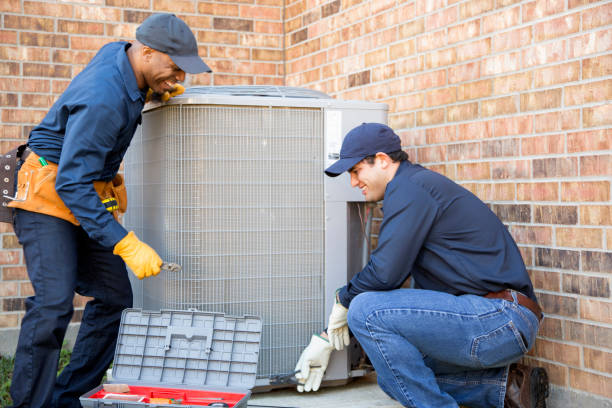
Multi-ethnic team of blue collar air conditioner repairmen at work. Multi-ethnic team of blue collar air conditioner repairmen at work. They prepare to begin work by gathering appropriate tools from their tool box. ac service stock pictures, royalty-free photos & images

Common Types of Noises and What They Mean

  1. Possible Cause: Loose or broken internal components such as a piston, connecting rod, or fan blade.
  2. Action Needed: Shut off the unit immediately to prevent further damage and schedule a professional inspection.
  3. Possible Cause: Refrigerant leak or high-pressure buildup in the system.
  4. Action Needed: A refrigerant leak not only affects cooling efficiency but can also pose health risks and should be addressed by an HVAC specialist.
  5. Possible Cause: Worn-out motor bearings or other mechanical failures within the compressor or fan motor assembly.
  6. Action Needed: Delay in addressing this could lead to a complete system breakdown. Maintenance or replacement of specific components may be required.
  7. Possible Cause: Misaligned or worn belts, failing blower motors, or issues with fan blades rubbing against another surface.
  8. Action Needed: Squealing sounds often indicate parts under strain; timely repairs can prevent further damage to your AC system.
  9. Possible Cause: Electrical problems, such as loose wiring, failing capacitors, or malfunctioning fan motors. Debris in the outdoor condenser could also contribute to buzzing noises.
  10. Action Needed: Electrical repairs should always be handled by certified technicians due to safety concerns.

Why Prompt Attention is Necessary

  • Prolonged operation with underlying mechanical issues can exacerbate wear and tear on other components.
  • Refrigerant leaks associated with hissing sounds reduce cooling efficiency and may harm the environment.
  • Electrical malfunctions (buzzing) pose fire hazards if left unaddressed.
Noise Type Potential Cause Recommended Action
Banging Loose/Broken Internal Parts Turn off the unit; call a technician
Hissing Refrigerant Leak/Pressure Issue Seek professional repair
Grinding Worn Motor Bearings Inspect for part replacement
Squealing Misaligned Belts/Fan Issues Schedule maintenance
Buzzing Electrical Problem/Debris Clear debris; seek technician help

Preventive Maintenance Tips

  • Schedule regular inspections with HVAC professionals.
  • Replace filters every 1–3 months to maintain airflow.
  • Ensure proper lubrication of moving parts during seasonal maintenance checks.
  • Keep outdoor condenser units free from debris like leaves and dirt.

By understanding these sound-related warning signs and acting promptly, you can protect your air conditioning investment while ensuring consistent cooling performance during hot months.

The Importance of Addressing Bad Odors from Your Air Conditioning System

Recognizing and addressing unpleasant odors emanating from your air conditioning system is an essential part of maintaining a comfortable and healthy indoor environment. Foul smells coming from your AC can point to underlying issues that, if left unattended, could lead to costly repairs or health risks. Below, we explore the potential causes of bad odors in your air conditioning system, their implications, and steps you can take to resolve the problem.

Common Causes of Bad Odors in Air Conditioners

  1. One of the most common sources of bad smells is mold or mildew buildup within the AC system. Moisture accumulates in components such as the evaporator coils and drain pans, creating a perfect breeding ground for microbes.
  2. The resulting “musty” smell often indicates that airflow is passing through areas where mold has formed.
  3. A blocked or clogged condensate drain line causes water to pool inside the system instead of draining properly. This stagnant water eventually leads to odors due to bacterial growth.
  4. When air filters are not replaced or cleaned regularly, trapped dirt, dust, and debris can emit an unpleasant smell over time.
  5. An acrid “burning” odor might indicate overheated wiring or failing electrical parts within the unit.
  6. Small animals like rodents sometimes find their way into ductwork or other parts of your HVAC system but may not survive long inside. Their decomposition can result in a distinctly foul odor.

Why It’s Important to Address Odors Quickly

  • Health Risks: Prolonged exposure to mold spores or bacteria circulating through your home can aggravate allergies, asthma, and respiratory issues for occupants.
  • System Efficiency: Issues causing odors often correlate with reduced system performance (e.g., clogging) which may increase energy usage.
  • Prevent Costly Repairs: Ignoring odors frequently allows minor problems like blockages or leaks to escalate into more significant damage over time.
  • Comfort & Well-being: A persistent bad smell detracts from the comfort and livability of any space.

Steps to Resolve Bad Odors from Your AC System

  • Inspect Air Filters: Replace dirty filters immediately and ensure routine maintenance going forward.
  • Clean Drain Lines & Pans: Flush out any clogs in the condensate drain line with a mixture of warm water and vinegar to prevent bacterial growth.
  • Schedule Professional Maintenance: If the source isn’t obvious, a professional HVAC technician can inspect deeper components like coils or ductwork.
  • Duct Cleaning Services: Consider having ducts professionally cleaned if debris accumulation is suspected as a cause.
  • Install UV Lights: Ultraviolet light installations within HVAC systems help kill bacteria and mold before they spread throughout your home.

Preventative Measures

Preventative Action Recommended Frequency
Replace air filters Every 1–3 months
Schedule professional tune-ups Annually
Inspect condensate lines Biannually
Maintain proper humidity levels Ongoing (30–50% recommended)

By actively monitoring for signs like unusual smells while performing regular maintenance tasks on your cooling system, you ensure optimal performance while safeguarding indoor air quality for years ahead.

What to Do When Your Air Conditioner Repairs Cannot Be Delayed

When your air conditioner begins to show signs of malfunction, timely intervention is crucial. Delaying necessary repairs can lead to more significant issues, reduced efficiency, and even complete system failure. Here’s a closer look at what steps you should take when AC repairs cannot wait.

Signs That Repairs Are Urgent

  • Complete System Breakdown: If your air conditioner has stopped working entirely during peak summer months.
  • Unusual Noises: Grinding, screeching, or banging sounds could indicate serious mechanical issues.
  • Hot Air Blowing: When the unit blows warm air instead of cool, it may signal compressor or refrigerant problems.
  • Water or Refrigerant Leaks: Pooled water around the unit or refrigerant leaks require immediate attention to prevent further damage.
  • Electrical Issues: Flickering lights or frequent tripping of circuit breakers when the AC runs are signs of electrical faults.

Steps to Take Without Delay

  1. Turn Off the Unit
    Running a malfunctioning air conditioner can worsen existing problems. Power off the system immediately if you suspect major issues such as overheating or leaks.
  2. Contact a Professional Technician
    Reach out to a licensed HVAC service provider as soon as possible. Explain the symptoms clearly so they can prioritize your repair request.
  3. Check Warranty Coverage
    Review your warranty documents before scheduling repairs. Warranty coverage may reduce costs for specific parts or services.
  4. Ensure clear access to indoor and outdoor units for technicians.
  5. Take note of any error codes displayed on modern thermostats or control panels.
  6. Document noticeable issues (e.g., noises, odors) to share with professionals during their evaluation.

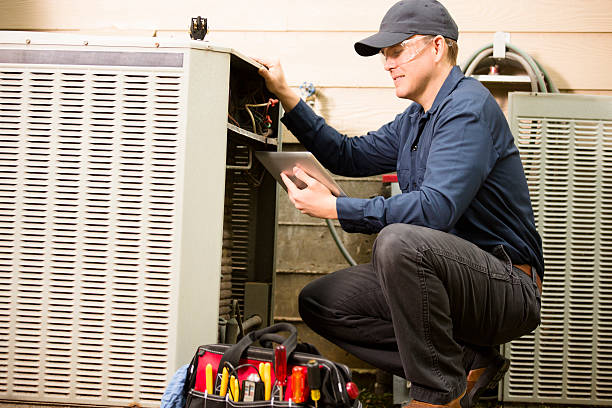
Air conditioner repairman works on home unit. Blue collar worker. Repairmen works on a home's air conditioner unit outdoors. He is checking the compressor inside the unit using a digital tablet. He wears a navy blue uniform and his safety glasses. Tools inside toolbox on ground. ac service stock pictures, royalty-free photos & images

Why Prompt Action is Essential

Delaying air conditioning repair often results in more extensive damage that requires costly fixes—or even full system replacement in severe cases. Additionally, ignoring critical issues can impact your home’s comfort and energy efficiency.

Problem Potential Consequences Cost Impact
Compressor Failure Entire system may need replacement High
Refrigerant Leak Reduced cooling efficiency and environmental harm Moderate
Electrical Fault Safety hazards like fire risks High

Timely repairs allow you to avoid these outcomes while maintaining optimal performance and safety.

Preventive Tips Moving Forward

  • Schedule regular maintenance at least once annually.
  • Replace air filters every 1–3 months depending on use and filter type.
  • Monitor energy bills for unexpected spikes that could indicate inefficiency.
  • Listen for unusual noises or observe changes in cooling performance promptly.

Taking these actions helps ensure that your system operates smoothly year-round while extending its lifespan effectively.

Exploring Effective Solutions for Common AC Unit Issues

Maintaining an air conditioning (AC) unit is essential to ensure its optimal performance and longevity. Over time, various issues can arise with AC systems due to regular wear and tear or improper maintenance. By understanding these problems and exploring effective solutions, homeowners can save money, improve energy efficiency, and reduce the risk of unexpected breakdowns.

Common AC Unit Issues and Their Causes

  1. Cause: Cracks or holes in refrigerant lines.
  2. Effects: Reduced cooling efficiency, increased energy costs, and longer cooling cycles.
  3. Cause: Dust, debris, and allergens accumulating in the filter over time.
  4. Effects: Restricted airflow, poor indoor air quality, and potential strain on the compressor.
  5. Cause: Poor airflow due to dirty filters or low refrigerant levels.
  6. Effects: Inconsistent cooling or complete system failure if left unaddressed.
  7. Cause: Faulty wiring or outdated thermostat technology.
  8. Effects: Inefficient temperature control and uneven room temperatures.
  9. Cause: Corroded wiring or worn-out electrical components.
  10. Effects: Frequent short cycling (turning on/off repeatedly) or inability to power on.

Effective Solutions for Addressing These Problems

  • Hire a licensed technician to locate and repair leaks in refrigerant lines.
  • Ensure your system is recharged with the correct type of refrigerant as per manufacturer guidelines.
  • Replace disposable air filters every 1–3 months depending on usage and environmental factors.
  • For reusable filters, clean them thoroughly with water or manufacturer-recommended solutions.
  • Turn off your unit to allow coils to thaw naturally if freezing occurs.
  • Check for airflow obstructions like clogged ducts or dirty filters; clean as needed.
  • Schedule professional inspections to identify underlying issues like refrigerant imbalance.
  • Replace old thermostats with programmable or smart models for better control over temperature settings.
  • Ensure proper installation by consulting an HVAC professional.
  • Schedule routine checks of electrical connections within your system.
  • Replace worn-out capacitors, contactors, or relays promptly when signs of wear appear.

Preventive Maintenance Tips

Task Frequency Benefits
Air filter replacement Monthly/Seasonal Improves airflow; reduces energy consumption
Professional tune-ups Annually Detects early signs of wear; extends system life
Duct cleaning Every 2–3 years Enhances indoor air quality; prevents blockages

By addressing minor problems early through regular maintenance and implementing these recommended solutions, you can ensure consistent comfort throughout your home while keeping repair costs in check. These efforts contribute significantly to both system performance and long-term durability.

Understanding the Impact of Air Quality on Your Cooling System

Air quality plays a critical role in the efficiency and longevity of your air conditioning (AC) system. Poor indoor air quality can not only affect your health but also diminish the performance of your cooling system over time. Here’s a closer look at how indoor air quality interacts with your AC unit and how you can maintain both for optimal results.

How Airborne Contaminants Affect Your AC System

  • Clogged Filters: Dust and debris accumulate on filters more rapidly when air quality is poor, reducing airflow and making the system work harder to circulate cool air.
  • Dirty Coils: Pollutants can settle on evaporator or condenser coils, reducing their ability to transfer heat effectively.
  • Increased Wear and Tear: When an AC unit operates under stress due to obstructed airflow or dirt buildup, its components degrade faster.

This results in higher energy bills, reduced cooling performance, and a shorter lifespan for the unit.

The Role of Air Filters and Their Maintenance

Filter Type Efficiency Replacement Frequency
Standard Fiberglass Basic particle filtration Every 1-3 months
Pleated Filters Higher efficiency Every 1-3 months
HEPA Filters Removes finer particles Every 6-12 months (depends on use)

Regularly checking and replacing filters is one of the simplest ways to ensure clean airflow through your system and maintain indoor air quality.

Importance of Duct Cleaning

Ductwork is another area where poor air quality intersects with AC performance. Over time, dust, mold spores, or even pests can settle within ducts. This not only affects indoor air but also forces the AC system to work harder due to restricted airflow. Scheduling professional duct cleaning every few years can help address these issues.

Using Additional Tools to Improve Air Quality

  • Air Purifiers: These remove smaller particles that standard filters might miss.
  • Dehumidifiers: High humidity fosters mold growth inside ducts; dehumidifiers keep moisture levels under control.
  • Ventilation Enhancements: Proper ventilation ensures fresh outside air circulates indoors without overloading the AC unit.

By integrating these tools into your home setup, you create an environment where both health standards and efficient cooling thrive.

Proactive Measures for Cleaner Air Conditioning Performance

  1. Regularly inspect filters for clogging or damage.
  2. Schedule routine maintenance checks by a professional HVAC technician.
  3. Keep windows closed during heavy pollen seasons to minimize indoor contamination.
  4. Ensure proper insulation around ducts to prevent external pollutants from entering.
  5. Use high-efficiency particulate arrestance (HEPA) filters if allergies are a concern.

Taking these steps not only helps keep your home comfortable but also extends the life span of your cooling equipment while promoting healthier living conditions indoors.


Twelve Common Signs You Need Orlando, FL AC Repair Immediately

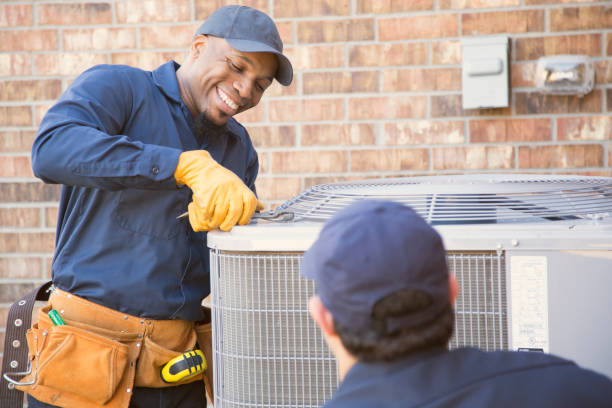
Multi-ethnic team of blue collar air conditioner repairmen at work. Multi-ethnic team of blue collar air conditioner repairmen at work. They prepare to begin work by gathering appropriate tools from their tool box. ac service stock pictures, royalty-free photos & images

1. Warm Air from Vents

If your AC is blowing warm or room-temperature air while set to cool mode, it may indicate issues like refrigerant leaks, a broken compressor, or thermostat malfunctions.

2. Weak or Inconsistent Airflow

Poor airflow is another sign of trouble. It can result from clogged filters, ductwork obstructions, or malfunctioning fans.

3. Strange Noises During Operation

Unusual sounds such as banging, rattling, squealing, or grinding could signal mechanical problems with internal components like belts or motors.

4. Foul Odors from Vents

A musty smell might indicate mold growth inside the system or ducts. Burning odors could point to electrical problems requiring immediate attention.

5. Rising Energy Bills Without Increased Usage

A sudden spike in energy consumption without any change in usage habits often indicates an inefficient AC system struggling to function properly.

6. Excessive Moisture or Leaks Around the Unit

Water pools near the indoor unit could suggest a clogged condensate drain line or a refrigerant leak.

7. Frozen Evaporator Coils

Frost on coils is a sign of improper airflow caused by dirty filters, blocked vents, low refrigerant levels, or other underlying issues.

8. Short Cycling

Your system frequently turning on and off within short periods (short cycling) reduces efficiency and can stress the compressor over time.

9. Thermostat Inaccuracy

A malfunctioning thermostat that doesn’t display correct temperatures or respond well to adjustments can lead to inconsistent cooling performance.

10. High Humidity Indoors

An efficient AC should regulate indoor humidity levels effectively; if not, this might point to underlying performance issues.

11. Age of the Unit

Most air conditioners have an average lifespan of about 10-15 years with proper maintenance; if yours is older and experiencing recurring issues, it may need replacement.

12. Frequent Repairs

If you find yourself calling for repairs multiple times within a few months, it might be more cost-effective to replace the unit than continue patching up recurring problems.

Essential Tips for Homeowners on Air Conditioning Repair Orlando, FL

  • Perform regular checks: Inspect for visible dirt on filters and ensure vents are unobstructed.
  • Monitor performance: Track cooling efficiency and note unusual changes in operation.
  • Schedule annual tune-ups: Routine servicing by HVAC professionals prevents small issues from escalating into major repairs.
Issue Type Possible Causes Professional Solution
Warm Air Refrigerant leak; Faulty compressor Repair leaks; Replace malfunctioning parts
Weak Airflow Clogged filter; Duct blockage Clean/replace filters; Clear ductwork
Unpleasant Odors Mold/mildew in vents Clean ducts/system thoroughly
High Energy Bills Inefficient operation Perform thorough diagnostics & maintenance

By recognizing these common signs early on and addressing them promptly through professional services when necessary, homeowners can save money on costly breakdowns while ensuring year-round comfort at home efficiently and reliably.

Ensuring Efficient Cooling with Professional AC Service Orlando Experts

An air conditioning system is designed to provide cool, comfortable air, especially during those hot summer months. If your AC unit is blowing warm or lukewarm air instead of cold air, it can lead to discomfort and frustration. Resolving this issue promptly not only improves your home’s comfort but also prevents further damage to the system. Below, we explore potential causes of warm air issues and ways to ensure your AC system operates efficiently.

Why Choose a Trusted HVAC Company Orlando, FL for Warm Air AC Issues

  1. Incorrect thermostat settings (e.g., fan mode instead of cool mode) may result in warm air being circulated.
  2. A malfunctioning thermostat may fail to communicate the desired temperature settings to your unit.
  3. Low refrigerant levels can hinder the cooling cycle, making it impossible for the system to produce cold air.
  4. Leaks in the refrigerant lines are often responsible for reduced efficiency.
  5. A clogged or dirty filter restricts airflow, which reduces the system’s ability to cool properly.
  6. Regular filter replacement ensures optimal performance.
  7. Dirt and debris on the outdoor condenser coil block heat exchange, preventing effective cooling.
  8. Lack of maintenance often leads to this issue.
  9. Faulty compressors or damaged capacitors can stop key components from working correctly.
  10. Electrical malfunctions may hinder power supply to critical parts like fans or motors.

Steps to Ensure Efficient Cooling

  • Check and Adjust Thermostat Settings: Always ensure that the thermostat is set correctly (cooling mode) and programmed at an appropriate temperature for energy efficiency.
  • Replace Air Filters Regularly: Replace filters every 1–3 months depending on usage and local conditions (e.g., dusty environments may require more frequent changes).
  • Schedule Routine Maintenance: Have a professional inspect and tune up your AC system annually or biannually.
  • Clean Surroundings of Outdoor Unit: Keep debris like leaves, branches, and dirt away from the outdoor condenser unit for unobstructed airflow.
  • Inspect Ductwork: Seal any leaks or gaps in ducts as they can allow conditioned air to escape while drawing warm outside air into your home.Technician repairing air conditioner at home Air conditioner maintenance or repair ac service stock pictures, royalty-free photos & images
Issue Possible Cause Recommended Solution
Warm Air Blowing Refrigerant leak Call a professional technician
Inefficient Cooling Clogged filters Replace filters regularly
Inconsistent Temperature Dirty condenser coils Clean coils during maintenance
No Cooling at All Faulty compressor Schedule repairs with an expert

When Professional Help Is Necessary

  • If refrigerant levels are low due to leaks, only a licensed technician should diagnose and repair them safely.
  • Compressor failures or electrical issues require expertise as mishandling can lead to further damage.
  • Evaporator coil freezing (another common cause of inefficient cooling) should be assessed by an HVAC specialist.

Addressing warm air problems promptly not only restores comfort but also extends the lifespan of your AC system. Proper maintenance combined with timely repairs ensures efficient operation even during peak usage periods.

Understanding Weak or Inconsistent Airflow and Its Impact on Your Comfort

Weak or inconsistent airflow from your air conditioning system can be a major inconvenience and may signal underlying issues that require immediate attention. Maintaining proper airflow is essential for consistent cooling, energy efficiency, and the overall comfort of your home. Below, we’ll explore the common causes of weak airflow, its effects on comfort, and potential solutions.

Common Causes of Weak or Inconsistent Airflow

  1. A clogged air filter restricts airflow, reducing the system’s ability to circulate cool air efficiently.
  2. Regular maintenance can prevent this issue and extend the lifespan of your unit.
  3. Furniture, curtains, or other objects obstructing vents can limit air circulation in specific rooms.
  4. Ensure that all vents remain unobstructed for optimal performance.
  5. Holes or gaps in ductwork can cause conditioned air to escape before it reaches intended spaces.
  6. Professional duct sealing may be necessary to resolve this issue.
  7. The blower motor powers the fan that circulates air throughout your home. If it’s malfunctioning, airflow will be insufficient.
  8. When coils freeze due to poor maintenance or refrigerant issues, airflow becomes restricted until the ice melts and repairs are made.
  9. Over time, wear and tear on an older unit can lead to reduced efficiency and weaker performance.

Effects of Weak Airflow on Comfort

  • Uneven Cooling: Some rooms may feel significantly warmer than others due to poor distribution of cool air.
  • Increased Humidity: Reduced airflow makes it difficult for the AC system to dehumidify effectively.
  • Longer Cooling Cycles: The unit works harder and runs longer cycles to maintain desired temperatures.
  • Higher Energy Bills: Extended run times increase energy consumption while delivering diminished results.

How to Address Weak Airflow

  • Replace air filters every 30–90 days depending on usage levels.
  • Inspect vents regularly for blockages caused by dust buildup or furniture arrangements.
  • Schedule professional duct inspections if you suspect leaks or damage.
  • Have a certified technician test the blower motor’s functionality during routine service visits.
  • Monitor refrigerant levels and address frozen evaporator coils promptly with professional assistance.

Preventive Measures for Consistent Airflow

Maintenance Task Frequency Benefits
Replace air filters Monthly/Quarterly Promotes efficient operation; prevents clogging
Professional HVAC tune-up Annually Identifies potential problems early
Clean ducts (if needed) Every 3–5 years Enhances overall system efficiency

By understanding the causes and effects of weak airflow—and taking steps toward resolution—you’ll achieve reliable cooling performance while improving energy efficiency across your home’s AC system. Regular maintenance remains one of the best ways to ensure smooth operation year-round while minimizing costly repairs down the line.

Identifying Unusual Noises During AC Operation and What They Mean

Unusual noises coming from your air conditioner can be an early indication of underlying issues that require immediate attention. Ignoring these sounds may lead to larger problems, reduced system efficiency, or even complete system breakdowns. Below, we explore the most common noises and their potential causes.

Common Noises and Their Causes

  1. Cause: This typically indicates a loose or broken part within the compressor or blower assembly.
  2. Solution: Schedule a professional inspection to tighten or replace damaged components.
  3. Cause: High-pitched squeals are often caused by worn-out belts, misaligned fans, or motor issues.
  4. Solution: Replace the belt, lubricate moving parts, or inspect the motor for wear and tear.
  5. Cause: Hissing sounds may result from refrigerant leaks or internal valve issues.
  6. Solution: Refrigerant leaks require immediate attention from a licensed HVAC technician due to environmental safety concerns.
  7. Cause: Frequent clicking could indicate electrical issues such as a failing relay switch or thermostat malfunction.
  8. Solution: Have an electrician assess the electrical connections and components.
  9. Cause: Debris trapped in the unit, loose panels, or aging components can lead to rattling during operation.
  10. Solution: Clean out debris and check for loose screws on panels or covers.

Why Prompt Action Is Necessary

  • Increased wear on internal components
  • Reduced cooling efficiency
  • Higher energy consumption
  • Potential damage requiring costly repairs

When to Call an HVAC Professional

Symptom Possible Cause Action Required
Repetitive Loud Banging Compressor damage Shut off the unit immediately; call a technician.
Persistent Hissing Refrigerant leak Contact an HVAC specialist for safe handling.
Prolonged Squealing Belt damage Schedule repair services before further strain occurs on other parts.

Preventive Measures for Noise Reduction

  • Perform regular maintenance checks (filters, coils, etc.).
  • Tighten screws and fasteners periodically.
  • Clear debris from around the outdoor condenser unit.
  • Lubricate moving parts as recommended by your manufacturer’s guidelines.

Taking proactive measures can save you time, money, and stress in dealing with a noisy air conditioning system while ensuring uninterrupted comfort in your home.

Resolving Unpleasant Odors Emanating from Your Air Conditioning Unit or Vents

A properly functioning air conditioning system should deliver clean, odor-free air to your home or workspace. However, when unpleasant smells start to emanate from your AC unit or vents, it often indicates underlying issues that require immediate attention. Here’s a detailed guide on identifying the causes of these odors and how they can be resolved effectively.

Common Causes of Unpleasant Odors

  1. Excess moisture inside the AC system, particularly in the evaporator coil or ductwork, can lead to mold or mildew growth. This results in a musty smell.
  2. Mold thrives in dark and damp environments, and if left unchecked, it can compromise indoor air quality.
  3. When condensate drain lines are clogged with dirt and debris, water may accumulate within the system, leading to bacterial growth and unpleasant odors.
  4. A “dirty sock” smell is a common indicator of this issue.
  5. Air filters trap dust, allergens, and other contaminants. Over time, if not replaced regularly, they can emit a stale odor as trapped particles begin to break down.
  6. A burning or chemical smell may indicate overheating components such as wiring or motors within your AC unit.
  7. This could pose both operational and safety risks.
  8. Small rodents or insects may find their way into ductwork or the outdoor condenser unit. If they nest there—or unfortunately die—the resulting odor can be quite foul.
  9. In certain cases, refrigerant leaks might emit a chemical-like odor that signals a serious mechanical problem with your cooling system.

Technician checking air conditioning unit Technician checking air conditioning unit ac service stock pictures, royalty-free photos & images

Steps for Resolving Odors

  1. Check filters monthly during peak usage seasons.
  2. Replace them every 30–90 days depending on filter type and environmental factors like dust levels.
  3. Schedule professional duct cleaning every few years to remove accumulated dust, debris, and potential mold.
  4. Ensure vents are unobstructed for proper airflow.
  5. Flush condensate drain lines periodically with vinegar or use a professional-grade cleaning solution to prevent clogs.
  6. Routine servicing by HVAC professionals ensures that potential issues are detected early.
  7. Evaporator coils should be cleaned annually to prevent mold buildup.
  8. If mold is detected inside components like coils or ducts, hire professionals trained in handling HVAC-related mold remediation safely.
  9. If you notice unusual odors along with reduced cooling efficiency, consult an expert to check refrigerant levels and perform necessary repairs.
  10. Turn off your AC immediately if you notice burning smells.
  11. Avoid using the unit until inspected by an electrician or HVAC technician for damaged components.

Preventative Measures: Keeping Odors at Bay

To minimize unpleasant smells from forming in the first place: – Maintain proper humidity levels indoors using dehumidifiers in damp climates. – Keep outdoor units clear of leaves, debris, and pest access points. – Use UV lights within ducts to inhibit microbial growth. – Opt for high-quality filters designed for improved air circulation and contaminant capture.

By addressing these common causes proactively through regular maintenance and timely interventions, you can ensure that your AC system continues delivering fresh air while operating at peak efficiency—all while avoiding disruptions caused by unpleasant odors affecting your comfort at home or workspaces.

Rising Energy Bills Without Increased Usage – How an Inefficient AC Impacts Costs

An unexpected rise in energy bills, despite no increase in your air conditioning usage, can be a clear sign that your AC system is inefficient. Several factors can contribute to this inefficiency, and understanding these causes can help you take proactive measures to resolve the issue.

Causes of Inefficiency Leading to Higher Energy Costs

  1. Clogged Air Filters
    Dirty or clogged air filters force your AC unit to work harder than necessary. Restricted airflow reduces efficiency and increases the time it takes to cool your space, leading to higher energy consumption.
  2. Refrigerant Problems
    Low refrigerant levels or leaks can significantly impact how well your AC operates. When refrigerant levels are insufficient, the cooling process becomes less efficient, driving up energy costs.
  3. Dirty Coils
    Over time, both the evaporator and condenser coils accumulate dirt and debris. This buildup reduces their ability to absorb or release heat effectively, causing your system to use more energy.
  4. Faulty Thermostat
    A malfunctioning thermostat may cause inconsistent temperature regulation or unnecessary cycling of the system. This erratic behavior increases wear on components and results in higher utility bills.
  5. Aging Equipment
    An older AC unit that hasn’t been properly maintained will naturally lose efficiency over time. Components may wear out, making it difficult for the system to keep up with cooling demands without consuming more power.

Signs of Increased Energy Consumption

  • The unit runs longer than usual cycles without effectively cooling.
  • Hot and cold spots appear in different rooms of your home.
  • The outdoor unit seems noisier than normal or constantly running.
  • You observe frequent temperature fluctuations on the thermostat display.

Steps to Address High Energy Bills Caused by Your AC System

  • Replace Air Filters Regularly: Aim to replace filters every 1–3 months depending on usage and air quality conditions.
  • Schedule Routine Maintenance: Professional tune-ups should be conducted annually to ensure all components are functioning optimally.
  • Seal Duct Leaks: Leaky ductwork can result in significant energy loss as cooled air escapes before reaching its intended destination.
  • Clean Coils and Components: Keep coils clean through regular servicing or use coil-cleaning solutions if safe access is available.
  • Upgrade Older Units: If your system is over 10–15 years old and experiencing consistent issues, investing in a modern high-efficiency model can reduce operating costs significantly.
Common Problem Potential Impact on Costs Recommended Action
Clogged Air Filters Higher runtime & cooling lag Replace filters regularly
Refrigerant Issues Reduced cooling efficiency Call a certified technician
Dirty Coils Heat transfer inefficiency Schedule professional cleaning
Aging Equipment Increased wear & power usage Evaluate replacement options

By addressing these inefficiencies promptly, you can restore optimal performance while keeping energy costs manageable over time.

Frozen Evaporator Coils – Causes, Effects, and When to Seek Professional Help

Frozen evaporator coils are a common issue that can significantly impact the performance of your air conditioning system. Understanding the causes, effects, and appropriate solutions for this problem can help you maintain an efficient AC unit while avoiding costly repairs.

Causes of Frozen Evaporator Coils

  • Restricted Airflow: Insufficient airflow across the evaporator coil prevents heat exchange, causing moisture to freeze on the coil. This can occur due to dirty air filters, blocked vents, or malfunctioning fans.
  • Low Refrigerant Levels: When refrigerant levels are too low due to leaks or other issues, it leads to a drop in pressure inside the system. This results in lower temperatures around the coil, causing freezing.
  • Faulty Thermostats: Incorrect thermostat settings or defective thermostats can lead to over-cooling within the system, increasing the likelihood of frozen coils.
  • Dirty Coils: Dirt and debris on evaporator coils act as an insulating layer, disrupting heat transfer and encouraging freezing conditions.

Effects of Frozen Evaporator Coils

  1. Frozen coils hinder proper heat absorption from indoor air. As a result, your AC struggles to cool your space effectively.
  2. The system works harder to compensate for reduced cooling capacity, leading to increased energy usage and higher utility bills.
  3. Prolonged freezing can damage components such as compressors or refrigerant lines over time.
  4. Once the ice melts, excessive water may accumulate around your unit if drainage systems are obstructed or overwhelmed.

Signs You May Have Frozen Evaporator Coils

Recognizing these symptoms early can help prevent further damage: – Warm air blowing from vents despite setting a low temperature. – Visible ice buildup on parts of the indoor unit. – Unusual dripping sounds near your AC. – Increased humidity levels indoors. – Poor airflow from vents or registers.

When to Seek Professional Help

  1. A licensed technician will check refrigerant levels and address any leaks in compliance with safety standards.
  2. Professionals have specialized tools for cleaning dirty evaporator coils without damaging delicate components.
  3. HVAC experts will inspect ductwork and fans for obstructions or damage affecting airflow efficiency.
  4. Thermostat Calibration/Replacement:
    If faulty thermostats contribute to freezing cycles they deserve repair calibration

Frozen Evaporator Coils – Causes, Effects, and When to Seek Professional Help

Frozen evaporator coils are a common yet often overlooked issue in air conditioning systems. Understanding the causes, effects, and recognizing when to call in professional help can save you from costly repairs and ensure optimal performance of your AC unit.

Causes of Frozen Evaporator Coils

  • Restricted Airflow: When airflow is blocked or reduced due to dirty filters, clogged vents, or malfunctioning fans, the refrigerant inside the coils may drop in temperature excessively, leading to freezing.
  • Low Refrigerant Levels: Insufficient refrigerant can lower pressure within the coils, causing temperatures to fall below freezing and moisture in the air to solidify on the coil surface.
  • Thermostat Malfunctions: A faulty thermostat that doesn’t regulate temperatures correctly may overwork your AC unit and contribute to coil freezing.
  • Dirty Coils: Dust and debris on evaporator coils act as an insulating layer, preventing efficient heat transfer and encouraging ice formation.
  • Closed or Blocked Registers: Blocking registers or vents restricts airflow throughout your system and can lead to freezing issues.

Effects of Frozen Evaporator Coils

  1. Ice on the coils prevents proper heat exchange between indoor air and refrigerant, leading to inadequate cooling.
  2. The compressor may work harder than necessary when airflow is hindered by ice buildup, increasing wear and tear.
  3. Your AC consumes more energy trying to maintain a consistent temperature despite frozen components.
  4. Prolonged operation with frozen coils could damage sensitive parts like compressors or fans.

Signs of Frozen Evaporator Coils

  • Warm air blowing from vents
  • Reduced airflow
  • Visible ice on outdoor components or indoor unit
  • Water dripping around the indoor unit (caused by melting ice)
  • Unresponsive thermostat despite setting changes

When Should You Seek Professional Help?

Condition Action Needed
Persistent Ice Formation Call a licensed HVAC technician immediately
Low Refrigerant Levels Only professionals should handle refrigerants
Repeated Freezing Issues Schedule a full system inspection

Preventive Maintenance Tips

  • Replace air filters every 1–3 months based on use.
  • Schedule annual professional maintenance for cleaning and system checks.
  • Ensure that all vents and registers remain open for proper airflow.

Regular attention not only ensures proper operation but also extends your AC’s lifespan while keeping energy costs under control.


Understanding the Duties of HVAC Technicians During ac service Orlando Diagnostics and System Replacement

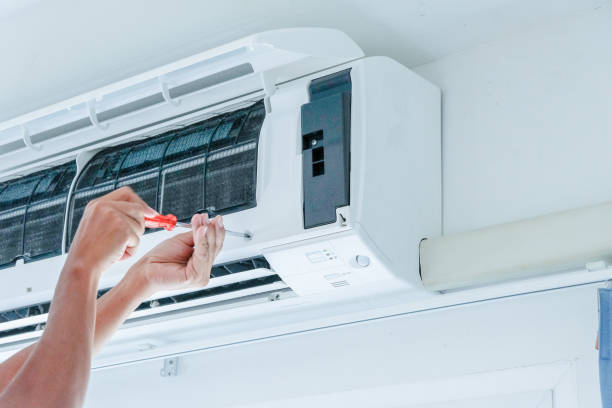
Air conditioner repairing by technician The technician under repairing the air conditioner by use screwdriver ac service stock pictures, royalty-free photos & images

HVAC technicians play a crucial role in ensuring the proper functioning of air conditioning systems. Their responsibilities during diagnostics and system replacement are both detailed and essential to maintaining comfort and efficiency. Below is an overview of the key tasks they handle during these processes.

Tasks Performed During Diagnostics

  • Inspecting System Components: Technicians examine critical components such as compressors, condensers, evaporators, and refrigerant lines for signs of wear or damage.
  • Testing Electrical Connections: Faulty wiring or loose connections can cause operational failures. Professionals test electrical systems to identify issues.
  • Measuring Refrigerant Levels: Proper refrigerant levels are essential for optimal performance. Technicians check for leaks or low refrigerant, which could indicate problems within the system.
  • Assessing Airflow: Restricted airflow caused by clogged filters, dirty ducts, or malfunctioning fans is another common issue. Technicians measure airflow to ensure it meets system requirements.
  • Using Diagnostic Tools: Advanced diagnostic tools such as multimeters, pressure gauges, and thermometers help pinpoint performance inefficiencies.

Steps Involved in System Replacement

  1. Safely disconnect electrical wiring and refrigerant lines.
  2. Dismantle and remove old equipment while adhering to environmental regulations for refrigerant disposal.
  3. Measure the space to confirm compatibility with the new unit’s specifications (e.g., size, capacity).
  4. Inspect ductwork for potential upgrades or repairs.
  5. Securely mount outdoor and indoor units in appropriate locations.
  6. Connect refrigerant lines, electrical wiring, and ductwork as required.
  7. Program thermostat settings for efficiency.
  8. Test cooling output to confirm functionality before finalizing installation.
  9. Provide guidance on operating the new system efficiently.
  10. Share maintenance tips to extend equipment lifespan.

Importance of These Tasks

The tasks undertaken during diagnostics and replacements directly impact a system’s energy efficiency, durability, and reliability. A meticulous approach ensures not only improved cooling performance but also reduced energy costs over time.

Task Category Key Activities Tools Used
Diagnostics Inspect components, test electricals, measure refrigerants Multimeter, gauges
System Removal Disconnect old units safely Wrenches, vacuum pumps
New Installation Mount units, connect components Screwdrivers, drills
Calibration & Testing Adjust thermostat settings; test airflow Thermometer

By addressing both diagnostics and replacement tasks comprehensively, HVAC technicians help maintain comfort while enhancing long-term cost-effectiveness for customers—making their role indispensable in today’s climate-controlled environments.

Essential Tools Technicians Use for Orlando, FL AC Repair and System Replacement

HVAC technicians rely on a variety of tools to effectively diagnose issues and replace air conditioning systems. These tools are essential in ensuring accuracy, efficiency, and safety during service calls. Below is an overview of the primary categories of tools used by technicians and their functions.

Diagnostic Tools

  • Manifold Gauges: Measure refrigerant pressure to determine system performance.
  • Digital Thermometers: Monitor air temperature at different points in the system for discrepancies.
  • Multimeters: Used to check electrical connections, measure voltage, current, and resistance.
  • Refrigerant Leak Detectors: Essential for locating leaks in sealed refrigerant lines or components.
  • Infrared Cameras: Identify temperature differences in ductwork or components not visible to the naked eye.

Replacement Tools

  • Refrigerant Recovery Machines: Safely extract refrigerant from old systems before disposal or repair.
  • Vacuum Pumps: Remove moisture from an AC unit’s refrigeration lines prior to charging with refrigerant.
  • Tubing Cutters and Flaring Tools: Aid in cutting copper pipes and preparing them for proper connections during installation.
  • Coil Fin Combs: Straighten bent fins on condenser or evaporator coils for optimal airflow after replacement.

Safety Equipment

  • Insulated Gloves and Boots: Protect against electrical shocks while working with live wires or components.
  • Respirators: Shield against inhalation of refrigerants or other harmful chemicals.
  • Safety Goggles: Prevent eye injuries during cutting, welding, or debris removal.
  • Hard Hats and Steel-Toed Boots: Ensure head and foot protection when working on outdoor units or construction sites.

Efficiency Enhancement Tools

Tool Functionality
Field Service Software Helps track work orders, customer information, and scheduling electronically
Bluetooth Manifolds Send pressure readings directly to mobile devices for real-time analysis
Portable Work Lights Illuminate dimly lit areas during repairs or installation tasks

By combining these tools with expertise, HVAC technicians can deliver effective solutions for diagnosing problems and replacing air conditioning systems with precision. As technology advances, these tools continue evolving to improve processes further while maintaining safety standards across all tasks.

Essential Tools for Air Conditioning Repair Orlando, FL Technicians Use

When it comes to diagnosing and replacing air conditioning systems, HVAC technicians rely on a variety of specialized tools. These tools are essential for ensuring accurate diagnostics, efficient repairs, and proper installation of new systems. Below is an in-depth look at the types of tools commonly used by HVAC professionals, their purposes, and how they contribute to high-quality service.

Diagnostic Tools

To identify issues within an air conditioning system, technicians turn to specific diagnostic instruments. These tools help pinpoint problems accurately before starting any repair or replacement work.

  • Manifold Gauges: Used to measure refrigerant pressure in the AC system.
  • Digital Thermometers: Allow technicians to check temperature differences across components.
  • Multimeters: Essential for testing electrical circuits and identifying faults such as short circuits or voltage drops.
  • Leak Detectors: Specialized devices for identifying refrigerant leaks within the system.
  • Infrared Cameras: Used for thermal imaging to detect areas of poor airflow or heat buildup.Technician with screwdriver repairing air conditioner at home Air conditioner maintenance or repair ac service stock pictures, royalty-free photos & images

Repair and Replacement Tools

  • Refrigerant Recovery Machines: Required for safely removing refrigerants from old systems before disposal or servicing.
  • Vacuum Pumps: Help eliminate moisture and contaminants from the AC lines prior to adding new refrigerant.
  • Tubing Cutters: Ensure precise cutting of copper pipes during installation.
  • Torque Wrenches: Prevent over-tightening or under-tightening when securing components like bolts and fittings.
  • Cordless Drills/Impact Drivers: Provide efficiency when disassembling old units or mounting new ones.

General Tools Every Technician Needs

Tool Purpose
Screwdrivers Removing panels, securing brackets
Pliers Bending wires, holding small parts
Adjustable Wrenches Handling varying bolt sizes
Flashlights Illuminating hard-to-reach areas
Safety Equipment Goggles, gloves, and masks for personal safety

Software-Based Diagnostic Aids

In recent years, technology has added an extra dimension to air conditioning diagnostics. Many technicians now use software-based solutions on tablets or smartphones that provide real-time analytics about system performance.

Examples include: 1. Diagnostic apps that connect wirelessly to a unit’s control board. 2. Cloud-based platforms tracking performance data over time. 3. Digital service logs for efficient recordkeeping.

Choosing the Right HVAC Company Orlando, FL for Professional Work

Using the correct tools not only improves efficiency but also ensures safety and compliance with industry standards. For instance: – Refrigerant recovery machines help protect the environment by preventing harmful gas leaks during replacement work. – Calibration instruments ensure new systems are set up according to manufacturer specifications.

By leveraging advanced diagnostic instruments along with traditional hand tools, HVAC technicians can expertly handle everything from minor repairs to full-scale system replacements. The result is a properly functioning air conditioning unit that delivers energy-efficient cooling while maintaining indoor comfort levels effectively.

Who HVAC Technicians Collaborate With to Complete Effective AC Service Calls

Effective air conditioning (AC) service calls require seamless collaboration between HVAC technicians and various stakeholders. A successful service call doesn’t occur in isolation—it involves teamwork, communication, and coordination to ensure that the replacement or repair process is efficient and meets customer expectations. Below is an exploration of key individuals and groups HVAC technicians interact with during the process.

1. Homeowners or Property Managers

  • Detailed descriptions of issues: Understanding symptoms such as inadequate cooling, strange noises, or high energy bills helps pinpoint potential problems faster.
  • Approval for repairs or replacements: Technicians discuss diagnostic findings and provide quotes for required work before proceeding.
  • Feedback on system performance: After installation or servicing, homeowners confirm whether their comfort needs have been met.

Clear communication at this level ensures transparency and trust throughout the service call.

2. Dispatchers and Customer Service Representatives (CSR)

  • Assigning jobs based on technician expertise and proximity to the location
  • Providing accurate details about equipment types, potential issues, or special requests from customers
  • Managing follow-up appointments if additional parts are needed

Strong collaboration between technicians and office staff facilitates smooth operations while minimizing delays.

3. Suppliers and Distributors

  • Verifying availability of compatible parts based on system specifications
  • Coordinating deliveries to avoid project delays
  • Accessing warranty information if required components are under manufacturer coverage

Establishing relationships with reliable suppliers ensures that replacements are high-quality and installed swiftly.

4. Fellow Technicians or Apprentices

  • Sharing expertise to troubleshoot unusual issues effectively
  • Dividing tasks such as wiring setup, refrigerant handling, or ductwork adjustments between team members
  • Mentoring apprentices by demonstrating proper procedures in real-world situations

This collaborative environment fosters learning while ensuring quality outcomes for customers.

5. Manufacturers’ Technical Support Teams

In some cases where troubleshooting becomes especially challenging—for instance, when dealing with advanced smart systems—HVAC technicians might consult manufacturer representatives through technical support hotlines or online resources. This collaboration provides valuable insights into specific equipment models while aiding faster diagnosis.

Stakeholder Role in Collaboration Benefits
Homeowner/Property Manager Shares issue details; approves work Enhances transparency; ensures customer satisfaction
Dispatchers/CSRs Schedules calls; provides logistical support Reduces scheduling conflicts; improves overall efficiency
Suppliers/Distributors Provides parts/components Ensures rapid access to quality replacements
Fellow Technicians Offers additional expertise; aids complex installations Streamlines challenging projects; supports skill development
Manufacturer Support Assists with advanced troubleshooting Speeds up resolution of technical challenges involving unique systems

Final Thoughts on Collaboration in HVAC Service Calls

HVAC technicians operate within a web of interactions that extends far beyond simply fixing AC units at customer sites. By fostering strong relationships with all collaborators—homeowners, office staff, suppliers, peers, and manufacturers—they ensure smoother workflows while consistently delivering high-quality service results tailored to individual needs.

Technician repairing air conditioner Technician repairing air conditioner ac service stock pictures, royalty-free photos & images

How Beginners Build Technical Skills for Replacing AC Systems Without Trade School

Entering the HVAC industry without formal trade school training is an achievable goal for motivated individuals. While trade schools offer structured pathways, there are alternative methods to develop the technical skills required to replace air conditioning systems. Below, we’ll explore practical steps and strategies beginners can follow to master these essential skills.

Hands-On Learning Through Apprenticeships

  • Direct Experience: Working under experienced technicians allows beginners to learn by observing and practicing real-world scenarios.
  • Skill Development: Tasks such as diagnosing faulty components, installing new systems, and performing maintenance become second nature with regular hands-on exposure.
  • Earning While Learning: Unlike traditional education paths, apprenticeships allow individuals to earn a salary while gaining technical knowledge.

Many HVAC companies offer entry-level roles or internships that don’t require prior experience but provide extensive training opportunities on the job.

Leveraging Online Tutorials and Resources

  • Study common components of air conditioning units (compressors, evaporators, refrigerant lines).
  • Watch how-to videos that demonstrate step-by-step system installations and repairs.
  • Access technical manuals or eBooks on HVAC standards and practices available through organizations like ASHRAE (American Society of Heating, Refrigerating, and Air Conditioning Engineers).

Consider trusted platforms such as YouTube tutorials from certified professionals or online courses provided by established industry groups.

Building Expertise Through Certification Exams

While skipping formal trade school is possible, obtaining certifications like EPA Section 608 can be essential for working with refrigerants. This certification ensures compliance with environmental regulations while building credibility in the field.

Examples of Useful Certifications:
Certification Name Purpose/Focus Provider
EPA Section 608 Safe handling of refrigerants Environmental Protection Agency
NATE Core Certification General knowledge of HVAC systems North American Technician Excellence
RSES Training Programs Advanced topics in heating/refrigeration Refrigeration Service Engineers Society

These certifications not only enhance skill sets but also make candidates more attractive to employers.

Networking With Industry Professionals

Connecting with others in the HVAC field provides beginners access to mentorships and insider advice. Joining local trade associations or attending community workshops can introduce individuals to experienced professionals willing to share their expertise. Networking can also open doors for potential job opportunities.

Practicing With Old or Broken Units

A practical way for newcomers to sharpen their skills independently is by working on non-functional air conditioning units: – Look for used AC components from recycling centers or local sellers. – Practice tasks like dismantling parts, diagnosing problems, and reassembling devices. – Test systems using tools like multimeters or vacuum pumps in a safe environment.

Regular practice prepares individuals for real-world challenges when replacing live systems during service calls.

By combining hands-on experience with self-led education and networking efforts, beginners can build strong foundations in air conditioning system replacement without attending formal trade school programs. This approach requires initiative but offers flexibility and cost savings while entering the rewarding field of HVAC services.

How Beginners Build Technical Skills for Replacing AC Systems Without Trade School

Starting a career in HVAC without attending a trade school may seem challenging, but it’s entirely achievable with the right approach. For those looking to specialize in air conditioning (AC) replacement, there are various pathways to build technical skills and knowledge. Below are practical steps and strategies that can help beginners get started.

1. Hands-on Learning Through Apprenticeships

Apprenticeships offer an excellent opportunity to gain hands-on experience while earning a paycheck. Many HVAC companies and contractors provide apprenticeship programs for entry-level workers eager to learn the trade. During an apprenticeship, participants:
– Work alongside experienced technicians on real-world projects.
– Learn diagnostic techniques, system installation processes, and safety protocols.
– Develop familiarity with tools and equipment used in AC replacement tasks.

This approach allows beginners to build foundational skills while observing industry professionals in action.

2. Online HVAC Training Resources

The internet is a valuable resource for individuals seeking self-paced learning options without formal schooling costs. Numerous online platforms offer free or paid courses covering topics like:
– Basic refrigeration principles and thermodynamics.
– Electrical systems related to HVAC units. – Step-by-step guidance on AC system removal and installation.

Some reputable platforms include YouTube tutorials by certified technicians, as well as specialized online courses from organizations like HVAC School or SkillCat.

3. Manufacturer-Sponsored Training Programs

Many AC manufacturers host training sessions or certification programs tailored to their equipment models. These programs are designed for aspiring technicians who want to specialize in servicing specific brands or systems. They provide access to:
– In-depth manuals explaining product specifications. – Workshops focused on troubleshooting and repairing brand-specific components. – Networking opportunities with industry professionals.

Such training ensures you stay updated on modern technologies while developing niche skills.

4. Building Knowledge Through Technical Manuals and Guides

Reading technical manuals can accelerate your understanding of how AC systems work and how they’re replaced professionally. Key areas of focus while studying these materials include:
– Understanding wiring diagrams and schematics. – Learning about refrigerant handling procedures. – Familiarizing yourself with system diagnostics tools.

By combining theoretical knowledge with practical exposure, newcomers can quickly build confidence in their abilities.

Sample Table: Recommended Tools for Beginners

Tool Name Purpose Approximate Cost
Digital Multimeter Testing electrical connections $30-$100
Refrigerant Gauges Measuring refrigerant pressure levels $50-$150
Vacuum Pump Removing air/moisture from systems $100-$300
Pipe Cutter & Flaring Kit Cutting/connecting copper tubing $25-$75

Investing in these essential tools allows learners to practice key tasks involved in AC replacement at home or during apprenticeships.

5. Gaining Certifications Gradually

While trade schools often bundle certifications into their curriculum, beginners can pursue these independently over time: – EPA Section 608 Certification – Required for handling refrigerants legally. – NATE Certification – Demonstrates proficiency across various HVAC domains. Many community colleges or testing centers offer workshops or study guides for these certifications even if you’re not enrolled full-time.

6. Networking With Industry Professionals

Joining local HVAC associations or attending industry expos provides opportunities to connect with seasoned professionals who may offer mentorships, job leads, or advice tailored to your goals.

By utilizing these methods effectively, aspiring HVAC technicians can develop the expertise needed for replacing air conditioning systems without necessarily attending trade school pathways commonly associated with the career field.