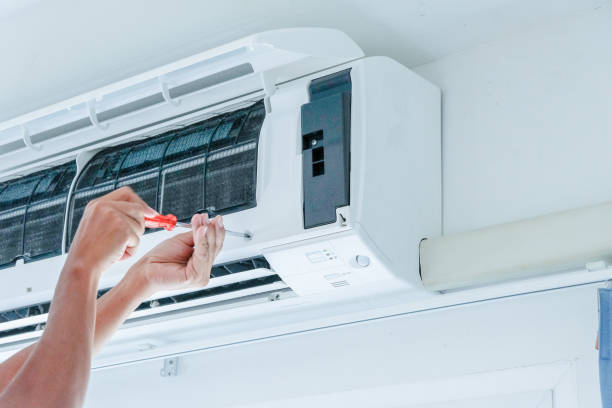
HVAC technicians play a crucial role in ensuring the proper functioning of air conditioning systems. Their responsibilities during diagnostics and system replacement are both detailed and essential to maintaining comfort and efficiency. Below is an overview of the key tasks they handle during these processes.
Tasks Performed During Diagnostics
- Inspecting System Components: Technicians examine critical components such as compressors, condensers, evaporators, and refrigerant lines for signs of wear or damage.
- Testing Electrical Connections: Faulty wiring or loose connections can cause operational failures. Professionals test electrical systems to identify issues.
- Measuring Refrigerant Levels: Proper refrigerant levels are essential for optimal performance. Technicians check for leaks or low refrigerant, which could indicate problems within the system.
- Assessing Airflow: Restricted airflow caused by clogged filters, dirty ducts, or malfunctioning fans is another common issue. Technicians measure airflow to ensure it meets system requirements.
- Using Diagnostic Tools: Advanced diagnostic tools such as multimeters, pressure gauges, and thermometers help pinpoint performance inefficiencies.
Steps Involved in System Replacement
- Safely disconnect electrical wiring and refrigerant lines.
- Dismantle and remove old equipment while adhering to environmental regulations for refrigerant disposal.
- Measure the space to confirm compatibility with the new unit’s specifications (e.g., size, capacity).
- Inspect ductwork for potential upgrades or repairs.
- Securely mount outdoor and indoor units in appropriate locations.
- Connect refrigerant lines, electrical wiring, and ductwork as required.
- Program thermostat settings for efficiency.
- Test cooling output to confirm functionality before finalizing installation.
- Provide guidance on operating the new system efficiently.
- Share maintenance tips to extend equipment lifespan.
Importance of These Tasks
The tasks undertaken during diagnostics and replacements directly impact a system’s energy efficiency, durability, and reliability. A meticulous approach ensures not only improved cooling performance but also reduced energy costs over time.
| Task Category | Key Activities | Tools Used |
| Diagnostics | Inspect components, test electricals, measure refrigerants | Multimeter, gauges |
| System Removal | Disconnect old units safely | Wrenches, vacuum pumps |
| New Installation | Mount units, connect components | Screwdrivers, drills |
| Calibration & Testing | Adjust thermostat settings; test airflow | Thermometer |
By addressing both diagnostics and replacement tasks comprehensively, HVAC technicians help maintain comfort while enhancing long-term cost-effectiveness for customers—making their role indispensable in today’s climate-controlled environments.
Essential Tools Technicians Use for Orlando, FL AC Repair and System Replacement
HVAC technicians rely on a variety of tools to effectively diagnose issues and replace air conditioning systems. These tools are essential in ensuring accuracy, efficiency, and safety during service calls. Below is an overview of the primary categories of tools used by technicians and their functions.
Diagnostic Tools
- Manifold Gauges: Measure refrigerant pressure to determine system performance.
- Digital Thermometers: Monitor air temperature at different points in the system for discrepancies.
- Multimeters: Used to check electrical connections, measure voltage, current, and resistance.
- Refrigerant Leak Detectors: Essential for locating leaks in sealed refrigerant lines or components.
- Infrared Cameras: Identify temperature differences in ductwork or components not visible to the naked eye.
Replacement Tools
- Refrigerant Recovery Machines: Safely extract refrigerant from old systems before disposal or repair.
- Vacuum Pumps: Remove moisture from an AC unit’s refrigeration lines prior to charging with refrigerant.
- Tubing Cutters and Flaring Tools: Aid in cutting copper pipes and preparing them for proper connections during installation.
- Coil Fin Combs: Straighten bent fins on condenser or evaporator coils for optimal airflow after replacement.
Safety Equipment
- Insulated Gloves and Boots: Protect against electrical shocks while working with live wires or components.
- Respirators: Shield against inhalation of refrigerants or other harmful chemicals.
- Safety Goggles: Prevent eye injuries during cutting, welding, or debris removal.
- Hard Hats and Steel-Toed Boots: Ensure head and foot protection when working on outdoor units or construction sites.
Efficiency Enhancement Tools
| Tool | Functionality |
| Field Service Software | Helps track work orders, customer information, and scheduling electronically |
| Bluetooth Manifolds | Send pressure readings directly to mobile devices for real-time analysis |
| Portable Work Lights | Illuminate dimly lit areas during repairs or installation tasks |
By combining these tools with expertise, HVAC technicians can deliver effective solutions for diagnosing problems and replacing air conditioning systems with precision. As technology advances, these tools continue evolving to improve processes further while maintaining safety standards across all tasks.
Essential Tools for Air Conditioning Repair Orlando, FL Technicians Use
When it comes to diagnosing and replacing air conditioning systems, HVAC technicians rely on a variety of specialized tools. These tools are essential for ensuring accurate diagnostics, efficient repairs, and proper installation of new systems. Below is an in-depth look at the types of tools commonly used by HVAC professionals, their purposes, and how they contribute to high-quality service.
Diagnostic Tools
To identify issues within an air conditioning system, technicians turn to specific diagnostic instruments. These tools help pinpoint problems accurately before starting any repair or replacement work.
- Manifold Gauges: Used to measure refrigerant pressure in the AC system.
- Digital Thermometers: Allow technicians to check temperature differences across components.
- Multimeters: Essential for testing electrical circuits and identifying faults such as short circuits or voltage drops.
- Leak Detectors: Specialized devices for identifying refrigerant leaks within the system.
- Infrared Cameras: Used for thermal imaging to detect areas of poor airflow or heat buildup.

Repair and Replacement Tools
- Refrigerant Recovery Machines: Required for safely removing refrigerants from old systems before disposal or servicing.
- Vacuum Pumps: Help eliminate moisture and contaminants from the AC lines prior to adding new refrigerant.
- Tubing Cutters: Ensure precise cutting of copper pipes during installation.
- Torque Wrenches: Prevent over-tightening or under-tightening when securing components like bolts and fittings.
- Cordless Drills/Impact Drivers: Provide efficiency when disassembling old units or mounting new ones.
General Tools Every Technician Needs
| Tool | Purpose |
| Screwdrivers | Removing panels, securing brackets |
| Pliers | Bending wires, holding small parts |
| Adjustable Wrenches | Handling varying bolt sizes |
| Flashlights | Illuminating hard-to-reach areas |
| Safety Equipment | Goggles, gloves, and masks for personal safety |
Software-Based Diagnostic Aids
In recent years, technology has added an extra dimension to air conditioning diagnostics. Many technicians now use software-based solutions on tablets or smartphones that provide real-time analytics about system performance.
Examples include: 1. Diagnostic apps that connect wirelessly to a unit’s control board. 2. Cloud-based platforms tracking performance data over time. 3. Digital service logs for efficient recordkeeping.
Choosing the Right HVAC Company Orlando, FL for Professional Work
Using the correct tools not only improves efficiency but also ensures safety and compliance with industry standards. For instance: – Refrigerant recovery machines help protect the environment by preventing harmful gas leaks during replacement work. – Calibration instruments ensure new systems are set up according to manufacturer specifications.
By leveraging advanced diagnostic instruments along with traditional hand tools, HVAC technicians can expertly handle everything from minor repairs to full-scale system replacements. The result is a properly functioning air conditioning unit that delivers energy-efficient cooling while maintaining indoor comfort levels effectively.
Who HVAC Technicians Collaborate With to Complete Effective AC Service Calls
Effective air conditioning (AC) service calls require seamless collaboration between HVAC technicians and various stakeholders. A successful service call doesn’t occur in isolation—it involves teamwork, communication, and coordination to ensure that the replacement or repair process is efficient and meets customer expectations. Below is an exploration of key individuals and groups HVAC technicians interact with during the process.
1. Homeowners or Property Managers
- Detailed descriptions of issues: Understanding symptoms such as inadequate cooling, strange noises, or high energy bills helps pinpoint potential problems faster.
- Approval for repairs or replacements: Technicians discuss diagnostic findings and provide quotes for required work before proceeding.
- Feedback on system performance: After installation or servicing, homeowners confirm whether their comfort needs have been met.
Clear communication at this level ensures transparency and trust throughout the service call.
2. Dispatchers and Customer Service Representatives (CSR)
- Assigning jobs based on technician expertise and proximity to the location
- Providing accurate details about equipment types, potential issues, or special requests from customers
- Managing follow-up appointments if additional parts are needed
Strong collaboration between technicians and office staff facilitates smooth operations while minimizing delays.
3. Suppliers and Distributors
- Verifying availability of compatible parts based on system specifications
- Coordinating deliveries to avoid project delays
- Accessing warranty information if required components are under manufacturer coverage
Establishing relationships with reliable suppliers ensures that replacements are high-quality and installed swiftly.
4. Fellow Technicians or Apprentices
- Sharing expertise to troubleshoot unusual issues effectively
- Dividing tasks such as wiring setup, refrigerant handling, or ductwork adjustments between team members
- Mentoring apprentices by demonstrating proper procedures in real-world situations
This collaborative environment fosters learning while ensuring quality outcomes for customers.
5. Manufacturers’ Technical Support Teams
In some cases where troubleshooting becomes especially challenging—for instance, when dealing with advanced smart systems—HVAC technicians might consult manufacturer representatives through technical support hotlines or online resources. This collaboration provides valuable insights into specific equipment models while aiding faster diagnosis.
| Stakeholder | Role in Collaboration | Benefits |
| Homeowner/Property Manager | Shares issue details; approves work | Enhances transparency; ensures customer satisfaction |
| Dispatchers/CSRs | Schedules calls; provides logistical support | Reduces scheduling conflicts; improves overall efficiency |
| Suppliers/Distributors | Provides parts/components | Ensures rapid access to quality replacements |
| Fellow Technicians | Offers additional expertise; aids complex installations | Streamlines challenging projects; supports skill development |
| Manufacturer Support | Assists with advanced troubleshooting | Speeds up resolution of technical challenges involving unique systems |
Final Thoughts on Collaboration in HVAC Service Calls
HVAC technicians operate within a web of interactions that extends far beyond simply fixing AC units at customer sites. By fostering strong relationships with all collaborators—homeowners, office staff, suppliers, peers, and manufacturers—they ensure smoother workflows while consistently delivering high-quality service results tailored to individual needs.
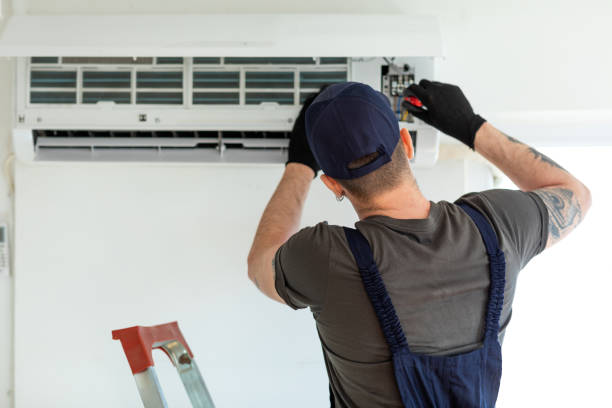
How Beginners Build Technical Skills for Replacing AC Systems Without Trade School
Entering the HVAC industry without formal trade school training is an achievable goal for motivated individuals. While trade schools offer structured pathways, there are alternative methods to develop the technical skills required to replace air conditioning systems. Below, we’ll explore practical steps and strategies beginners can follow to master these essential skills.
Hands-On Learning Through Apprenticeships
- Direct Experience: Working under experienced technicians allows beginners to learn by observing and practicing real-world scenarios.
- Skill Development: Tasks such as diagnosing faulty components, installing new systems, and performing maintenance become second nature with regular hands-on exposure.
- Earning While Learning: Unlike traditional education paths, apprenticeships allow individuals to earn a salary while gaining technical knowledge.
Many HVAC companies offer entry-level roles or internships that don’t require prior experience but provide extensive training opportunities on the job.
Leveraging Online Tutorials and Resources
- Study common components of air conditioning units (compressors, evaporators, refrigerant lines).
- Watch how-to videos that demonstrate step-by-step system installations and repairs.
- Access technical manuals or eBooks on HVAC standards and practices available through organizations like ASHRAE (American Society of Heating, Refrigerating, and Air Conditioning Engineers).
Consider trusted platforms such as YouTube tutorials from certified professionals or online courses provided by established industry groups.
Building Expertise Through Certification Exams
While skipping formal trade school is possible, obtaining certifications like EPA Section 608 can be essential for working with refrigerants. This certification ensures compliance with environmental regulations while building credibility in the field.
Examples of Useful Certifications:
| Certification Name | Purpose/Focus | Provider |
| EPA Section 608 | Safe handling of refrigerants | Environmental Protection Agency |
| NATE Core Certification | General knowledge of HVAC systems | North American Technician Excellence |
| RSES Training Programs | Advanced topics in heating/refrigeration | Refrigeration Service Engineers Society |
These certifications not only enhance skill sets but also make candidates more attractive to employers.
Networking With Industry Professionals
Connecting with others in the HVAC field provides beginners access to mentorships and insider advice. Joining local trade associations or attending community workshops can introduce individuals to experienced professionals willing to share their expertise. Networking can also open doors for potential job opportunities.
Practicing With Old or Broken Units
A practical way for newcomers to sharpen their skills independently is by working on non-functional air conditioning units: – Look for used AC components from recycling centers or local sellers. – Practice tasks like dismantling parts, diagnosing problems, and reassembling devices. – Test systems using tools like multimeters or vacuum pumps in a safe environment.
Regular practice prepares individuals for real-world challenges when replacing live systems during service calls.
By combining hands-on experience with self-led education and networking efforts, beginners can build strong foundations in air conditioning system replacement without attending formal trade school programs. This approach requires initiative but offers flexibility and cost savings while entering the rewarding field of HVAC services.
How Beginners Build Technical Skills for Replacing AC Systems Without Trade School
Starting a career in HVAC without attending a trade school may seem challenging, but it’s entirely achievable with the right approach. For those looking to specialize in air conditioning (AC) replacement, there are various pathways to build technical skills and knowledge. Below are practical steps and strategies that can help beginners get started.
1. Hands-on Learning Through Apprenticeships
Apprenticeships offer an excellent opportunity to gain hands-on experience while earning a paycheck. Many HVAC companies and contractors provide apprenticeship programs for entry-level workers eager to learn the trade. During an apprenticeship, participants:
– Work alongside experienced technicians on real-world projects.
– Learn diagnostic techniques, system installation processes, and safety protocols.
– Develop familiarity with tools and equipment used in AC replacement tasks.
This approach allows beginners to build foundational skills while observing industry professionals in action.
2. Online HVAC Training Resources
The internet is a valuable resource for individuals seeking self-paced learning options without formal schooling costs. Numerous online platforms offer free or paid courses covering topics like:
– Basic refrigeration principles and thermodynamics.
– Electrical systems related to HVAC units. – Step-by-step guidance on AC system removal and installation.
Some reputable platforms include YouTube tutorials by certified technicians, as well as specialized online courses from organizations like HVAC School or SkillCat.
3. Manufacturer-Sponsored Training Programs
Many AC manufacturers host training sessions or certification programs tailored to their equipment models. These programs are designed for aspiring technicians who want to specialize in servicing specific brands or systems. They provide access to:
– In-depth manuals explaining product specifications. – Workshops focused on troubleshooting and repairing brand-specific components. – Networking opportunities with industry professionals.
Such training ensures you stay updated on modern technologies while developing niche skills.
4. Building Knowledge Through Technical Manuals and Guides
Reading technical manuals can accelerate your understanding of how AC systems work and how they’re replaced professionally. Key areas of focus while studying these materials include:
– Understanding wiring diagrams and schematics. – Learning about refrigerant handling procedures. – Familiarizing yourself with system diagnostics tools.
By combining theoretical knowledge with practical exposure, newcomers can quickly build confidence in their abilities.
Sample Table: Recommended Tools for Beginners
| Tool Name | Purpose | Approximate Cost |
| Digital Multimeter | Testing electrical connections | $30-$100 |
| Refrigerant Gauges | Measuring refrigerant pressure levels | $50-$150 |
| Vacuum Pump | Removing air/moisture from systems | $100-$300 |
| Pipe Cutter & Flaring Kit | Cutting/connecting copper tubing | $25-$75 |
Investing in these essential tools allows learners to practice key tasks involved in AC replacement at home or during apprenticeships.
5. Gaining Certifications Gradually
While trade schools often bundle certifications into their curriculum, beginners can pursue these independently over time: – EPA Section 608 Certification – Required for handling refrigerants legally. – NATE Certification – Demonstrates proficiency across various HVAC domains. Many community colleges or testing centers offer workshops or study guides for these certifications even if you’re not enrolled full-time.
6. Networking With Industry Professionals
Joining local HVAC associations or attending industry expos provides opportunities to connect with seasoned professionals who may offer mentorships, job leads, or advice tailored to your goals.
By utilizing these methods effectively, aspiring HVAC technicians can develop the expertise needed for replacing air conditioning systems without necessarily attending trade school pathways commonly associated with the career field.
- Five critical signs your air conditioning system needs immediate Orlando, FL ac repair
- How to Recognize When Your Orlando, FL AC Repair Service Is Needed Immediately
- Twelve Common Signs You Need Orlando, FL AC Repair Immediately
- Understanding the Duties of HVAC Technicians During ac service Orlando Diagnostics and System Replacement
- Signs You Need Immediate Orlando, FL AC Repair for Your Air Conditioning Unit
- Understanding the Benefits of Orlando, FL AC Repair to Avoid Expensive Breakdowns