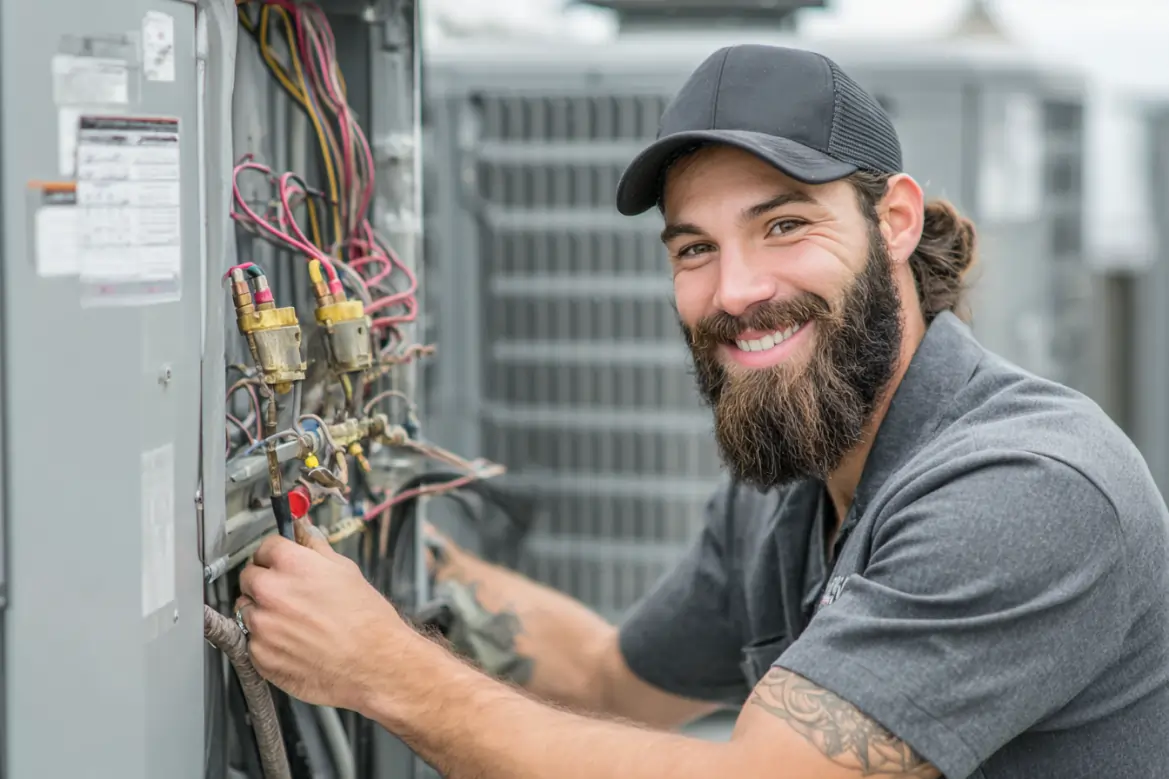
 Regular maintenance of your air conditioning system is essential to ensure optimal performance and longevity. However, certain issues demand immediate attention to prevent further damage or costly repairs. Below are five critical signs that indicate your AC system may require urgent servicing.
One of the most noticeable signs of an issue is when your air conditioner struggles to cool your home effectively.
– Blocked or dirty air filters
– Leaking refrigerant
– Damaged ducts or poor insulation
Addressing these issues promptly can restore proper cooling and enhance energy efficiency.
Air conditioning systems are designed to operate quietly, so any unusual sounds should not be ignored.
– Hissing: Could signal a refrigerant leak
– Grinding or Screeching: May point to motor or belt problems
– Banging: Might indicate loose components inside the unit
These noises often suggest mechanical faults that require professional diagnosis and repair.
If your AC turns on and off more frequently than usual (short cycling), it could be a sign of underlying issues such as:
– A malfunctioning thermostat
– Overheating due to clogged filters or dirty coils
– An improperly sized unit for your home
Short cycling reduces energy efficiency while increasing wear on the system’s components.
Foul smells, such as musty odors when the AC is running, often point to mold growth in the ductwork or on internal components like evaporator coils.
– Accumulated debris causing bacterial growth in filters
– Electrical burning smells signaling wiring issues
It’s crucial to address odor problems promptly, as they can affect indoor air quality and pose health risks.
An unexplained spike in electricity bills despite consistent usage patterns typically suggests inefficiencies in your AC system.
| Problem | Possible Solution |
|———————————-|————————————|
| Dirty condenser coils | Professional cleaning |
| Low refrigerant levels | Recharging by a certified technician|
| Aging components losing efficiency| Upgrading outdated parts |
A professional inspection can pinpoint areas of energy loss and recommend appropriate fixes.
Why Immediate Servicing Is Essential
Ignoring these telltale signs may lead to worsening problems that can increase repair costs or necessitate complete replacement sooner than expected. Timely servicing not only resolves existing issues but also ensures better comfort, reduced energy expenses, and extended equipment life.
Always consult with licensed HVAC professionals like https://www.acserviceorlando.net when you encounter any of these symptoms for accurate assessment and reliable solutions tailored to your needs.
Expert tips for reliable AC service Orlando residents can trust year-round
Proper maintenance and care are essential for keeping your air conditioning system running smoothly, improving energy efficiency, and extending its lifespan. Below are actionable tips to ensure optimal performance throughout the year.
Schedule Regular Maintenance for Air Conditioning Repair Orlando, FL
Routine maintenance by a qualified HVAC technician is crucial. Experts recommend scheduling a professional service at least once or twice a year, preferably before the summer and winter seasons.
– Inspect components like coils, motors, and belts for potential issues
– Clean or replace filters to enhance airflow
– Test refrigerant levels to ensure proper cooling
Regular servicing can help you identify small problems before they escalate into costly repairs.
Consistently Clean or Replace Air Filters with Tips from an HVAC Company Orlando, FL
This not only impacts cooling efficiency but can also lead to higher utility bills.
– Clean reusable filters regularly using water and mild detergent
– Check filters more frequently during peak usage months (summer or allergy season)
Using your thermostat efficiently can reduce strain on your AC system while maintaining indoor comfort:
– Set the temperature to around 78°F (26°C) when you’re home during summer; raise it slightly when away for energy savings
– Use programmable or smart thermostats to schedule temperature adjustments automatically
– Avoid constant manual changes, as this forces the AC unit to cycle on and off frequently
Blockages like dirt, leaves, or overgrown vegetation can limit its performance.
| Task | Frequency | Tips |
Leaky ducts can lead to significant energy losses by allowing cooled air to escape before it reaches indoor spaces.
Low refrigerant levels not only impact cooling capacity but may also indicate underlying problems like leaks in the system. Signs of low refrigerant include inadequate cooling and rising electricity bills despite normal use. Have a certified technician check and refill refrigerant if needed.
By following these expert tips consistently, you’ll not only extend the life of your AC system but also save on energy costs while ensuring a comfortable indoor environment year-round.
Replacing your air conditioning unit: Key factors to consider for optimal cooling performance
Replacing an air conditioning (AC) unit is a significant decision that directly affects your comfort, energy efficiency, and long-term expenses. Careful consideration of various factors ensures that you invest in a system suited to your needs while maximizing cooling performance. Below, we explore the key aspects to keep in mind during this process.
Before replacing your AC unit, assess its current performance and age. Units older than 10–15 years are likely less efficient and prone to frequent breakdowns.
– Rising energy bills despite regular servicing
– Uneven cooling across rooms or spaces
– Frequent repairs costing more than half the price of a new unit
By understanding these signs, you can determine whether replacement is the best course of action.
Air conditioners are rated based on their cooling capacity measured in BTUs (British Thermal Units).
| Room Size (sq. ft.) | Required BTU Capacity |
|————————–|—————————|
| Up to 150 | 5,000 |
| 150–300 | 6,000–8,000 |
| 300–500 | 10,000–12,000 |
An undersized system will struggle with effective cooling, while an oversized one wastes energy by cycling on and off frequently. Consulting with HVAC professionals ensures accurate sizing.
Upgrading to an energy-efficient AC unit can significantly reduce utility bills while minimizing environmental impact.
– A high SEER (Seasonal Energy Efficiency Ratio) rating — at least 14 SEER or above as per modern standards
– ENERGY STAR® certification indicating superior efficiency
– Variable-speed compressors for optimized energy use
These features enhance overall performance and deliver long-term savings.
While replacing an AC unit involves upfront costs, it’s important to weigh initial expenses against long-term benefits like lower operational costs and fewer repair needs.
– Equipment cost (varies by brand and capacity)
– Installation charges
– Optional add-ons like smart thermostats or advanced filtration systems
Having clarity on these financial aspects helps in making informed decisions within your budget constraints.
Modern air conditioners come equipped with advanced features designed for better control and convenience.
– Smart connectivity enabling remote monitoring via mobile apps
– Multi-stage compressors ensuring quieter operation
– Advanced air filtration systems improving indoor air quality
These innovations not only enhance day-to-day usability but also improve overall satisfaction with the system.
Final Thoughts
Replacing your air conditioning unit requires careful evaluation of factors such as cooling capacity, energy efficiency, budget considerations, and technological advancements. Partnering with reputable HVAC professionals ensures proper installation tailored to meet your specific needs while delivering optimal cooling performance year-round.
The ultimate guide to understanding the process of air conditioning system replacement
Replacing an air conditioning system can seem like a daunting task, but understanding the process can help streamline the experience. From identifying when replacement is necessary to selecting the right unit and scheduling installation, this guide will walk you through each phase.
When Should You Replace Your AC System?
Before diving into the replacement process, it is crucial to determine whether your current system truly needs replacing.
- Frequent Repairs: If your unit breaks down repeatedly, the cumulative cost of repairs may outweigh the cost of replacement.
- Age of the System: AC units typically last 10–15 years. Older systems may become less efficient over time and more prone to failure.
- Rising Energy Bills: An aging or failing AC system tends to consume more energy, resulting in higher utility costs.
- Inefficient Cooling: Uneven cooling or inability to maintain desired temperatures can signal a failing system.
- Use of R22 Refrigerant: Systems relying on outdated R22 refrigerant are expensive to recharge and environmentally harmful due to regulatory restrictions.
Steps in Replacing Your Air Conditioning System
- Engage an HVAC professional to assess your current setup.
- Ensure proper sizing of your new system based on factors like home size, insulation levels, and cooling needs (measured as BTUs).
- Consider energy-efficient models with a high SEER (Seasonal Energy Efficiency Ratio) rating; units rated 14 SEER or higher are typically more efficient.
- Compare features such as smart thermostats, two-stage compressors, or variable-speed fans that enhance performance.
- Cost Estimation | Expense Category | Estimated Cost Range |
|—————————|——————-|
| New AC Unit | $3,000–$7,000 |
| Labor & Installation Fees | $1,500–$3,500 |
| Additional Modifications | Varies | - The contractor will disconnect and remove your old unit safely while ensuring compliance with local regulations for disposal.
- The new system is installed with careful attention to ductwork compatibility and refrigerant line connections.
- Post-installation tests ensure optimal performance.
- Thermostat settings are adjusted for precision cooling efficiency.
Benefits of Professional Replacement Services
- Accurate load calculation avoids problems like short cycling or insufficient cooling.
- Proper sealing prevents energy loss through ductwork leaks.
- Compliance with local building codes enhances safety during operation.
By entrusting this investment to qualified technicians, you gain long-term peace of mind knowing that your air conditioner has been installed correctly.
Understanding each step involved in replacing an air conditioning unit can help you make informed decisions while ensuring smooth transitions for comfortable indoor climates year-round.
Common problems with air conditioning systems and how professional service can resolve them
Air conditioning systems play a vital role in keeping homes and businesses comfortable, especially during the hotter months. Understanding common issues that may arise with an air conditioner and knowing how professional servicing can address these problems is key to maintaining optimal functionality.
One of the most frequent complaints among users is poor airflow from their air conditioning system.
– Clogged air filters: Dust and dirt accumulation can block airflow, reducing efficiency.
– Blocked vents: Debris or obstructions in the ductwork may restrict proper circulation.
– Damaged blower motor: A malfunctioning motor may prevent adequate delivery of cooled air.
Solution:Professional HVAC technicians inspect the filters, ducts, and motors to identify blockages or component failures. Cleaning or replacing air filters regularly is vital for improving airflow.
Refrigerants enable your AC unit to cool effectively, but leaks are a common issue that can cause:
– Insufficient cooling performance
– Hissing sounds near the unit
– Higher energy costs due to inefficiency
Solution:A qualified technician will locate the leak, repair it, and recharge the refrigerant levels according to manufacturer specifications. Regular servicing ensures refrigerant issues are addressed promptly.
Evaporator coils absorb heat from indoor air during cooling processes. When coils freeze due to low refrigerant levels or restricted airflow, it disrupts functionality and could lead to system breakdowns.
Solution:Professionals will defrost frozen coils and identify underlying causes such as clogged filters or improper refrigerant amounts. Preventative maintenance helps avoid this issue altogether.
Unusual sounds like grinding, rattling, or squealing often indicate internal issues such as loose components or failing parts.
| Noise Type | Possible Cause | Recommended Action |
| Grinding | Worn-out bearings | Replace worn parts |
| Squealing | Faulty fan belts | Tighten/replace belts |
| Rattling | Loose panels or screws | Secure paneling |
Solution:Calling a professional ensures accurate diagnosis and repair of problematic components before further damage occurs.
If your energy bills are climbing but you haven’t increased AC usage, it could indicate issues like:
– Dirty condenser coils reducing efficiency – Aging systems that struggle to cool effectively – Air leaks causing temperature inconsistencies
Solution:An HVAC technician will clean critical components like condenser coils, check for leaks, and recommend upgrades if your system is outdated.
The Importance of Professional Service
Relying on experts for regular maintenance not only resolves existing problems but also prevents future ones by ensuring your AC operates at peak performance year-round: 1. Seasonal tune-ups keep all components functioning optimally. 2. Early detection of minor issues prevents costly repairs. 3. Maintaining energy efficiency saves money on utility bills over time.
By addressing these common problems through professional servicing, homeowners can extend their AC system’s lifespan while ensuring consistent comfort in their spaces year after year.
- Five critical signs your air conditioning system needs immediate Orlando, FL ac repair
- How to Recognize When Your Orlando, FL AC Repair Service Is Needed Immediately
- Twelve Common Signs You Need Orlando, FL AC Repair Immediately
- Understanding the Duties of HVAC Technicians During ac service Orlando Diagnostics and System Replacement
- Signs You Need Immediate Orlando, FL AC Repair for Your Air Conditioning Unit
- Understanding the Benefits of Orlando, FL AC Repair to Avoid Expensive Breakdowns