
An air conditioning (AC) unit is an essential appliance, especially during warmer months. However, like any mechanical system, it has a finite lifespan. Recognizing when your AC requires immediate replacement can save you time, money, and the discomfort of living without proper cooling.
Common Signs Indicating Immediate Replacement
- The system struggles to maintain the desired temperature.
- Certain rooms remain hotter than others despite proper settings.
- The airflow feels weak or inconsistent.
- Repair costs are adding up and begin to approach the price of a new unit.
- Breakdowns occur regularly, disrupting daily comfort.
- An older or malfunctioning unit may consume more energy than necessary.
- A sudden spike in utility costs could indicate inefficiency in your AC system.
- Most AC systems have a lifespan of 10-15 years with regular maintenance.
- Units older than this often lack modern efficiency standards and advanced features.
- Persistent loud noises and unpleasant smells can signal severe internal damage that repairs cannot resolve effectively.
- If your system still uses R-22 refrigerant (phased out due to environmental concerns), replacement is highly recommended as repairs requiring this refrigerant can be costly or impossible.
Comparison: Repair vs Replace Decision
| Factors | When to Repair | When to Replace |
| Age | Less than 10 years | More than 10-15 years |
| Frequency of Issues | Infrequent | Frequent breakdowns |
| Cost | Minor repair expense | Major repairs nearing replacement cost |
| Energy Efficiency | Still relatively efficient | Noticeably inefficient |
Benefits of Replacing Your Air Conditioner
- Improved Energy Efficiency: New units meet higher energy standards, reducing utility bills.
- Enhanced Comfort: Modern systems cool more evenly and quickly.
- Advanced Features: Smart thermostats, zoning capabilities, and quieter operation improve convenience and performance.
- Environmental Responsibility: Newer models often use eco-friendly refrigerants and have lower environmental impact.
Proactive Measures for Longevity
- Clean or replace filters every 1-3 months during peak usage.
- Schedule annual professional inspections for thorough cleaning and diagnostics.
- Ensure outdoor units remain clean and free from debris like leaves or dirt.
By monitoring these warning signs closely and taking proactive care of your air conditioning system, you can ensure optimal performance until it’s truly time for an upgrade.
Troubleshooting Insufficient Cooling with Expert Air Conditioning Repair Orlando, FL
- Clogged filters restricting airflow.
- Low refrigerant levels impacting cooling performance.
- Leaking or damaged ducts, causing uneven air distribution.
If these issues persist despite regular maintenance, it might be time for professional evaluation.
How an HVAC Company Orlando, FL Can Help Reduce Escalating Energy Bills
| Problem Area | Impact on Efficiency |
| Dirty condenser coils | Prevents proper heat exchange |
| Worn-out motors | Causes excessive energy consumption |
| Aging systems | Require more power to produce similar output |
Investing in repairs or replacements can significantly reduce energy costs in the long run.
1. Frequent Repairs
- Regular breakdowns during peak summer months.
- Expensive repairs nearing 50% of the unit’s value.
- Repeated issues such as refrigerant leaks or electrical failures.
Aging units (10–15 years old) are especially prone to frequent malfunctions and inability to meet modern efficiency standards.
2. Strange Noises During Operation
- Loose belts or screws.
- Failing motor bearings.
- Problems with the fan blade assembly.
Ignoring such sounds can lead to significant damage and potential system failure.
3. Poor Indoor Air Quality
- Mold growth inside ducts due to moisture buildup.
- Dirty air filters allowing allergens into your home.
- Malfunctioning dehumidifiers causing excess humidity levels.
Addressing these issues promptly ensures both comfort and health within your living space.
When Replacement Becomes Necessary
While some issues can be resolved through repair and maintenance, there comes a point when replacing the unit is more practical and cost-effective than constant fixes. Modern systems offer higher energy efficiency ratings (such as SEER ratings) and smart technology that significantly improves performance while reducing costs.
By recognizing these warning signs early and taking action accordingly, you can avoid unexpected breakdowns and ensure your home remains cool and comfortable throughout the year.
How Loud Noises from Your Air Conditioning Unit Can Signal Major Problems
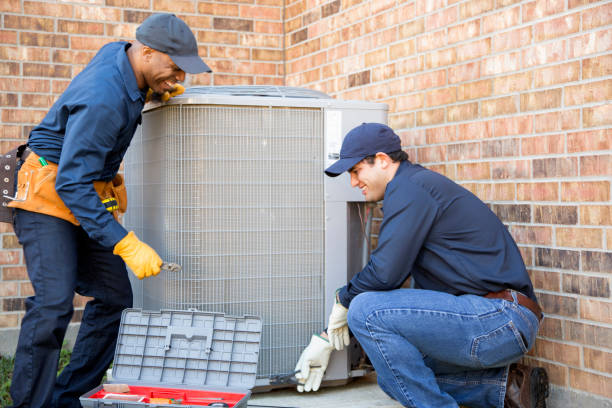
Unusual or loud noises coming from your air conditioning unit are often a clear indicator that something is wrong. While some sounds may point to minor issues, others can signal serious internal problems that require immediate attention. Understanding the types of noises and their possible causes can help you determine whether professional service is needed.
Common Types of Noises and What They Mean
- Possible Cause: Loose or broken internal components such as a piston, connecting rod, or fan blade.
- Action Needed: Shut off the unit immediately to prevent further damage and schedule a professional inspection.
- Possible Cause: Refrigerant leak or high-pressure buildup in the system.
- Action Needed: A refrigerant leak not only affects cooling efficiency but can also pose health risks and should be addressed by an HVAC specialist.
- Possible Cause: Worn-out motor bearings or other mechanical failures within the compressor or fan motor assembly.
- Action Needed: Delay in addressing this could lead to a complete system breakdown. Maintenance or replacement of specific components may be required.
- Possible Cause: Misaligned or worn belts, failing blower motors, or issues with fan blades rubbing against another surface.
- Action Needed: Squealing sounds often indicate parts under strain; timely repairs can prevent further damage to your AC system.
- Possible Cause: Electrical problems, such as loose wiring, failing capacitors, or malfunctioning fan motors. Debris in the outdoor condenser could also contribute to buzzing noises.
- Action Needed: Electrical repairs should always be handled by certified technicians due to safety concerns.
Why Prompt Attention is Necessary
- Prolonged operation with underlying mechanical issues can exacerbate wear and tear on other components.
- Refrigerant leaks associated with hissing sounds reduce cooling efficiency and may harm the environment.
- Electrical malfunctions (buzzing) pose fire hazards if left unaddressed.
| Noise Type | Potential Cause | Recommended Action |
| Banging | Loose/Broken Internal Parts | Turn off the unit; call a technician |
| Hissing | Refrigerant Leak/Pressure Issue | Seek professional repair |
| Grinding | Worn Motor Bearings | Inspect for part replacement |
| Squealing | Misaligned Belts/Fan Issues | Schedule maintenance |
| Buzzing | Electrical Problem/Debris | Clear debris; seek technician help |
Preventive Maintenance Tips
- Schedule regular inspections with HVAC professionals.
- Replace filters every 1–3 months to maintain airflow.
- Ensure proper lubrication of moving parts during seasonal maintenance checks.
- Keep outdoor condenser units free from debris like leaves and dirt.
By understanding these sound-related warning signs and acting promptly, you can protect your air conditioning investment while ensuring consistent cooling performance during hot months.
The Importance of Addressing Bad Odors from Your Air Conditioning System
Recognizing and addressing unpleasant odors emanating from your air conditioning system is an essential part of maintaining a comfortable and healthy indoor environment. Foul smells coming from your AC can point to underlying issues that, if left unattended, could lead to costly repairs or health risks. Below, we explore the potential causes of bad odors in your air conditioning system, their implications, and steps you can take to resolve the problem.
Common Causes of Bad Odors in Air Conditioners
- One of the most common sources of bad smells is mold or mildew buildup within the AC system. Moisture accumulates in components such as the evaporator coils and drain pans, creating a perfect breeding ground for microbes.
- The resulting “musty” smell often indicates that airflow is passing through areas where mold has formed.
- A blocked or clogged condensate drain line causes water to pool inside the system instead of draining properly. This stagnant water eventually leads to odors due to bacterial growth.
- When air filters are not replaced or cleaned regularly, trapped dirt, dust, and debris can emit an unpleasant smell over time.
- An acrid “burning” odor might indicate overheated wiring or failing electrical parts within the unit.
- Small animals like rodents sometimes find their way into ductwork or other parts of your HVAC system but may not survive long inside. Their decomposition can result in a distinctly foul odor.
Why It’s Important to Address Odors Quickly
- Health Risks: Prolonged exposure to mold spores or bacteria circulating through your home can aggravate allergies, asthma, and respiratory issues for occupants.
- System Efficiency: Issues causing odors often correlate with reduced system performance (e.g., clogging) which may increase energy usage.
- Prevent Costly Repairs: Ignoring odors frequently allows minor problems like blockages or leaks to escalate into more significant damage over time.
- Comfort & Well-being: A persistent bad smell detracts from the comfort and livability of any space.
Steps to Resolve Bad Odors from Your AC System
- Inspect Air Filters: Replace dirty filters immediately and ensure routine maintenance going forward.
- Clean Drain Lines & Pans: Flush out any clogs in the condensate drain line with a mixture of warm water and vinegar to prevent bacterial growth.
- Schedule Professional Maintenance: If the source isn’t obvious, a professional HVAC technician can inspect deeper components like coils or ductwork.
- Duct Cleaning Services: Consider having ducts professionally cleaned if debris accumulation is suspected as a cause.
- Install UV Lights: Ultraviolet light installations within HVAC systems help kill bacteria and mold before they spread throughout your home.
Preventative Measures
| Preventative Action | Recommended Frequency |
| Replace air filters | Every 1–3 months |
| Schedule professional tune-ups | Annually |
| Inspect condensate lines | Biannually |
| Maintain proper humidity levels | Ongoing (30–50% recommended) |
By actively monitoring for signs like unusual smells while performing regular maintenance tasks on your cooling system, you ensure optimal performance while safeguarding indoor air quality for years ahead.
What to Do When Your Air Conditioner Repairs Cannot Be Delayed
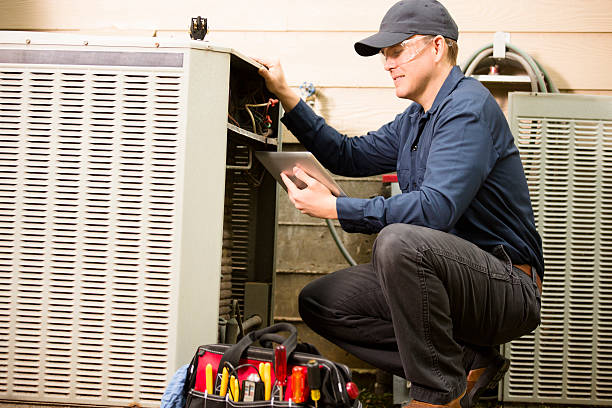
When your air conditioner begins to show signs of malfunction, timely intervention is crucial. Delaying necessary repairs can lead to more significant issues, reduced efficiency, and even complete system failure. Here’s a closer look at what steps you should take when AC repairs cannot wait.
Signs That Repairs Are Urgent
- Complete System Breakdown: If your air conditioner has stopped working entirely during peak summer months.
- Unusual Noises: Grinding, screeching, or banging sounds could indicate serious mechanical issues.
- Hot Air Blowing: When the unit blows warm air instead of cool, it may signal compressor or refrigerant problems.
- Water or Refrigerant Leaks: Pooled water around the unit or refrigerant leaks require immediate attention to prevent further damage.
- Electrical Issues: Flickering lights or frequent tripping of circuit breakers when the AC runs are signs of electrical faults.
Steps to Take Without Delay
- Turn Off the Unit
Running a malfunctioning air conditioner can worsen existing problems. Power off the system immediately if you suspect major issues such as overheating or leaks. - Contact a Professional Technician
Reach out to a licensed HVAC service provider as soon as possible. Explain the symptoms clearly so they can prioritize your repair request. - Check Warranty Coverage
Review your warranty documents before scheduling repairs. Warranty coverage may reduce costs for specific parts or services. - Ensure clear access to indoor and outdoor units for technicians.
- Take note of any error codes displayed on modern thermostats or control panels.
- Document noticeable issues (e.g., noises, odors) to share with professionals during their evaluation.
Why Prompt Action is Essential
Delaying air conditioning repair often results in more extensive damage that requires costly fixes—or even full system replacement in severe cases. Additionally, ignoring critical issues can impact your home’s comfort and energy efficiency.
| Problem | Potential Consequences | Cost Impact |
| Compressor Failure | Entire system may need replacement | High |
| Refrigerant Leak | Reduced cooling efficiency and environmental harm | Moderate |
| Electrical Fault | Safety hazards like fire risks | High |
Timely repairs allow you to avoid these outcomes while maintaining optimal performance and safety.
Preventive Tips Moving Forward
- Schedule regular maintenance at least once annually.
- Replace air filters every 1–3 months depending on use and filter type.
- Monitor energy bills for unexpected spikes that could indicate inefficiency.
- Listen for unusual noises or observe changes in cooling performance promptly.
Taking these actions helps ensure that your system operates smoothly year-round while extending its lifespan effectively.
Exploring Effective Solutions for Common AC Unit Issues
Maintaining an air conditioning (AC) unit is essential to ensure its optimal performance and longevity. Over time, various issues can arise with AC systems due to regular wear and tear or improper maintenance. By understanding these problems and exploring effective solutions, homeowners can save money, improve energy efficiency, and reduce the risk of unexpected breakdowns.
Common AC Unit Issues and Their Causes
- Cause: Cracks or holes in refrigerant lines.
- Effects: Reduced cooling efficiency, increased energy costs, and longer cooling cycles.
- Cause: Dust, debris, and allergens accumulating in the filter over time.
- Effects: Restricted airflow, poor indoor air quality, and potential strain on the compressor.
- Cause: Poor airflow due to dirty filters or low refrigerant levels.
- Effects: Inconsistent cooling or complete system failure if left unaddressed.
- Cause: Faulty wiring or outdated thermostat technology.
- Effects: Inefficient temperature control and uneven room temperatures.
- Cause: Corroded wiring or worn-out electrical components.
- Effects: Frequent short cycling (turning on/off repeatedly) or inability to power on.
Effective Solutions for Addressing These Problems
- Hire a licensed technician to locate and repair leaks in refrigerant lines.
- Ensure your system is recharged with the correct type of refrigerant as per manufacturer guidelines.
- Replace disposable air filters every 1–3 months depending on usage and environmental factors.
- For reusable filters, clean them thoroughly with water or manufacturer-recommended solutions.
- Turn off your unit to allow coils to thaw naturally if freezing occurs.
- Check for airflow obstructions like clogged ducts or dirty filters; clean as needed.
- Schedule professional inspections to identify underlying issues like refrigerant imbalance.
- Replace old thermostats with programmable or smart models for better control over temperature settings.
- Ensure proper installation by consulting an HVAC professional.
- Schedule routine checks of electrical connections within your system.
- Replace worn-out capacitors, contactors, or relays promptly when signs of wear appear.
Preventive Maintenance Tips
| Task | Frequency | Benefits |
| Air filter replacement | Monthly/Seasonal | Improves airflow; reduces energy consumption |
| Professional tune-ups | Annually | Detects early signs of wear; extends system life |
| Duct cleaning | Every 2–3 years | Enhances indoor air quality; prevents blockages |
By addressing minor problems early through regular maintenance and implementing these recommended solutions, you can ensure consistent comfort throughout your home while keeping repair costs in check. These efforts contribute significantly to both system performance and long-term durability.
Understanding the Impact of Air Quality on Your Cooling System
Air quality plays a critical role in the efficiency and longevity of your air conditioning (AC) system. Poor indoor air quality can not only affect your health but also diminish the performance of your cooling system over time. Here’s a closer look at how indoor air quality interacts with your AC unit and how you can maintain both for optimal results.
How Airborne Contaminants Affect Your AC System
- Clogged Filters: Dust and debris accumulate on filters more rapidly when air quality is poor, reducing airflow and making the system work harder to circulate cool air.
- Dirty Coils: Pollutants can settle on evaporator or condenser coils, reducing their ability to transfer heat effectively.
- Increased Wear and Tear: When an AC unit operates under stress due to obstructed airflow or dirt buildup, its components degrade faster.
This results in higher energy bills, reduced cooling performance, and a shorter lifespan for the unit.
The Role of Air Filters and Their Maintenance
| Filter Type | Efficiency | Replacement Frequency |
| Standard Fiberglass | Basic particle filtration | Every 1-3 months |
| Pleated Filters | Higher efficiency | Every 1-3 months |
| HEPA Filters | Removes finer particles | Every 6-12 months (depends on use) |
Regularly checking and replacing filters is one of the simplest ways to ensure clean airflow through your system and maintain indoor air quality.
Importance of Duct Cleaning
Ductwork is another area where poor air quality intersects with AC performance. Over time, dust, mold spores, or even pests can settle within ducts. This not only affects indoor air but also forces the AC system to work harder due to restricted airflow. Scheduling professional duct cleaning every few years can help address these issues.
Using Additional Tools to Improve Air Quality
- Air Purifiers: These remove smaller particles that standard filters might miss.
- Dehumidifiers: High humidity fosters mold growth inside ducts; dehumidifiers keep moisture levels under control.
- Ventilation Enhancements: Proper ventilation ensures fresh outside air circulates indoors without overloading the AC unit.
By integrating these tools into your home setup, you create an environment where both health standards and efficient cooling thrive.
Proactive Measures for Cleaner Air Conditioning Performance
- Regularly inspect filters for clogging or damage.
- Schedule routine maintenance checks by a professional HVAC technician.
- Keep windows closed during heavy pollen seasons to minimize indoor contamination.
- Ensure proper insulation around ducts to prevent external pollutants from entering.
- Use high-efficiency particulate arrestance (HEPA) filters if allergies are a concern.
Taking these steps not only helps keep your home comfortable but also extends the life span of your cooling equipment while promoting healthier living conditions indoors.
- Five critical signs your air conditioning system needs immediate Orlando, FL ac repair
- How to Recognize When Your Orlando, FL AC Repair Service Is Needed Immediately
- Twelve Common Signs You Need Orlando, FL AC Repair Immediately
- Understanding the Duties of HVAC Technicians During ac service Orlando Diagnostics and System Replacement
- Signs You Need Immediate Orlando, FL AC Repair for Your Air Conditioning Unit
- Understanding the Benefits of Orlando, FL AC Repair to Avoid Expensive Breakdowns